


Last updated: July 2026
If you’re an aspiring TikTok creator, understanding how to transition from posting videos to building a scalable business can feel complex. This guide isn’t about generic ‘get famous’ tips. It’s a practical, results-driven look at the exact steps needed to build commercial authority on the platform, written from the perspective of an ecommerce brand platform that actually hires creators. Success isn’t about luck; it’s about matching your unique perspective to market intent.
Quick Answer
To become a successful, professional TikTok creator in 2026, you must prioritize niche authority over view count. Focus on deep audience connection, consistent high-quality editing, and diversifying your revenue through commercial channels like product gifting, affiliated sales, and whitelisted brand campaigns, rather than relying on inconsistent platform views.
What is TikTok in 2026?
Forget the ‘new app’ narrative. TikTok has matured into a powerful entertainment and discovery engine, often acting as the primary search engine for product research, a trend supported by recent social media usage data. It’s a key part of any performance influencer marketing strategy. You are not competing for attention against dances; you are competing on relevance and conversion signal. Successful creators provide a seamless path from product discovery to purchase.
How to Become a Professional TikTok Creator
This section covers the practical workflow. The goal is to move beyond being a ‘social media personality’ and start operating like a content business.
Focus on one commercial niche.
If your goal is to land brand deals, ‘lifestyle’ is not a niche. To command performance-based fees, you must be the authority in a defined segment: specialized cooking tools, 1990s tech restoration, or sustainable baby products. Brands use platforms like Referwo to find niche creators who hold genuine sway over a conversion-ready audience. Genericism kills ROAS.
Treat editing as conversion optimization.
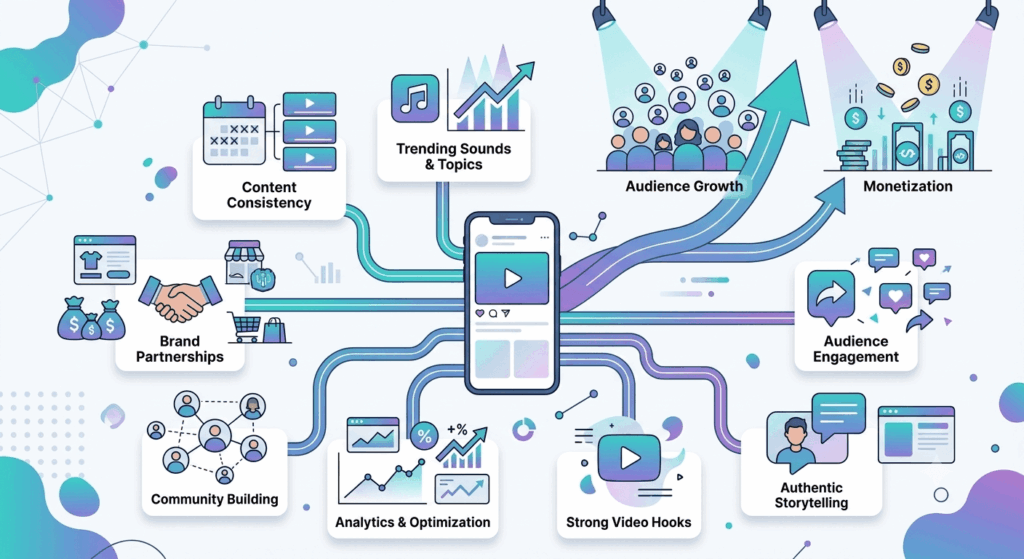
There is no ‘magic bullet’ to high reach, but poor editing guarantees low engagement. Professional-grade editing (clear focus, good lighting, tight cuts) keeps viewers watching past the critical first three seconds. Think of your video flow as a mini-funnel: the hook gets the click, the substance builds trust, and the call-to-action drives the conversion. Every frame must earn its place.

Create videos that convert, not just entertain.
Most creators only focus on entertainment. If you want brands to pay you, you must produce user-generated content (UGC) that solves a commercial problem. Is the video demonstrating how to use a specific product? Is it addressing a common customer pain point? Authentic storytelling that leads to a measurable commercial outcome is what actually moves the needle.
Measure deep connection, not surface metrics.
Likes and view counts are vanity metrics. What brands actually care about, and what you should prioritize, is the depth of the connection. How many detailed questions are you answering in the comments? Are viewers sharing your content with high intent? A smaller, high-converting audience is exponentially more valuable than a million passive followers with no commercial intent.
How Creators Earn: The Performance Model in 2026
The days of ‘exposure-only’ deals or relying solely on a small creator fund payout are over. Success now means operating multiple, diversified revenue streams grounded in commercial performance.

Sponsored Campaigns and Gifted UGC.
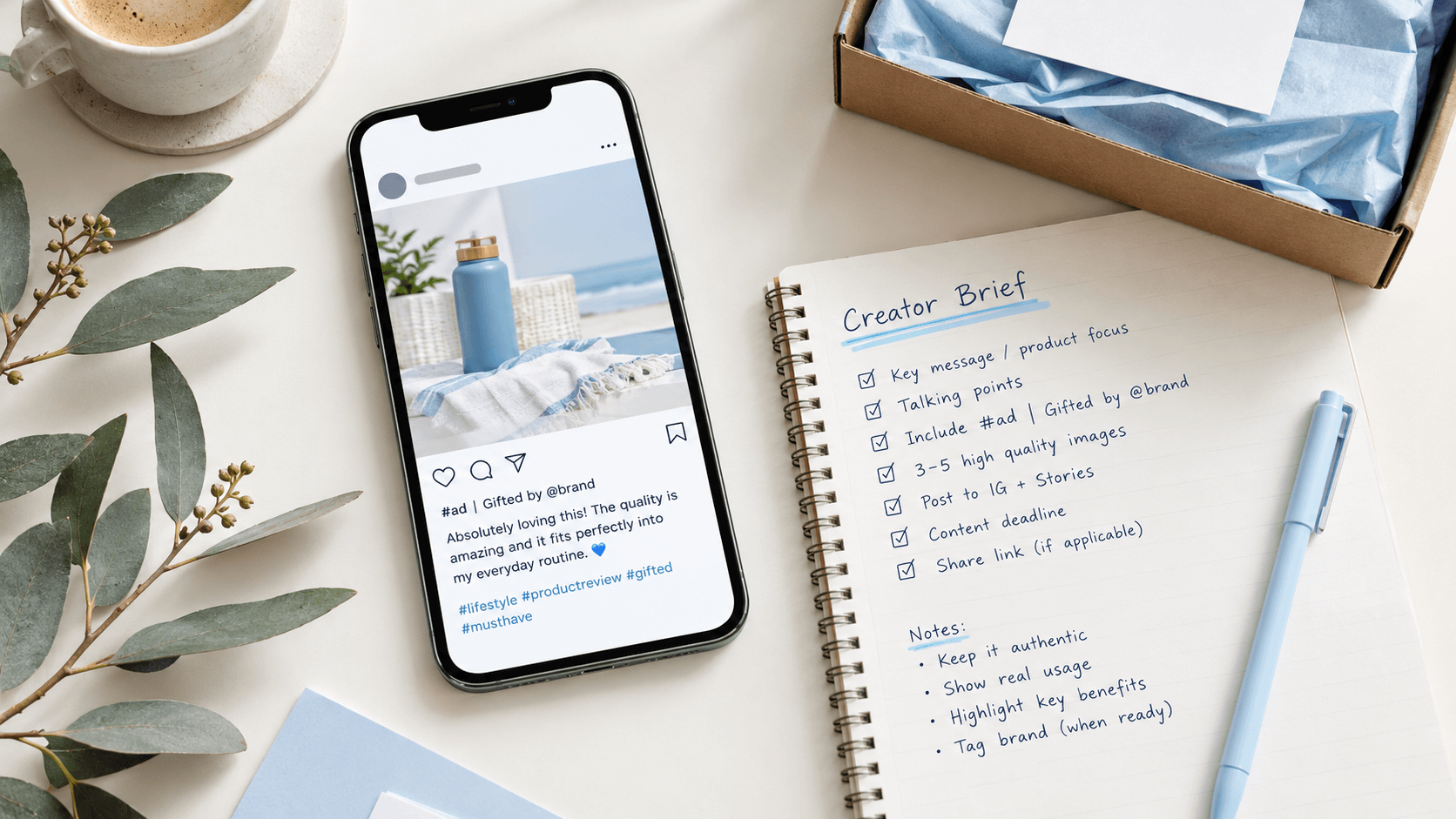
This is the foundation. A professional campaign involves a formal creator brief from the brand. They might pay you a flat fee, often using gifted product arrangements where creators receive product in exchange for content that can be repurposed. For larger activations (like Referwo’s managed influencer strategies), a performance-based fee structure ensures the brand sees a clear return on ad spend (ROAS).
Affiliate Marketing (TikTok Shop & Verified Models).
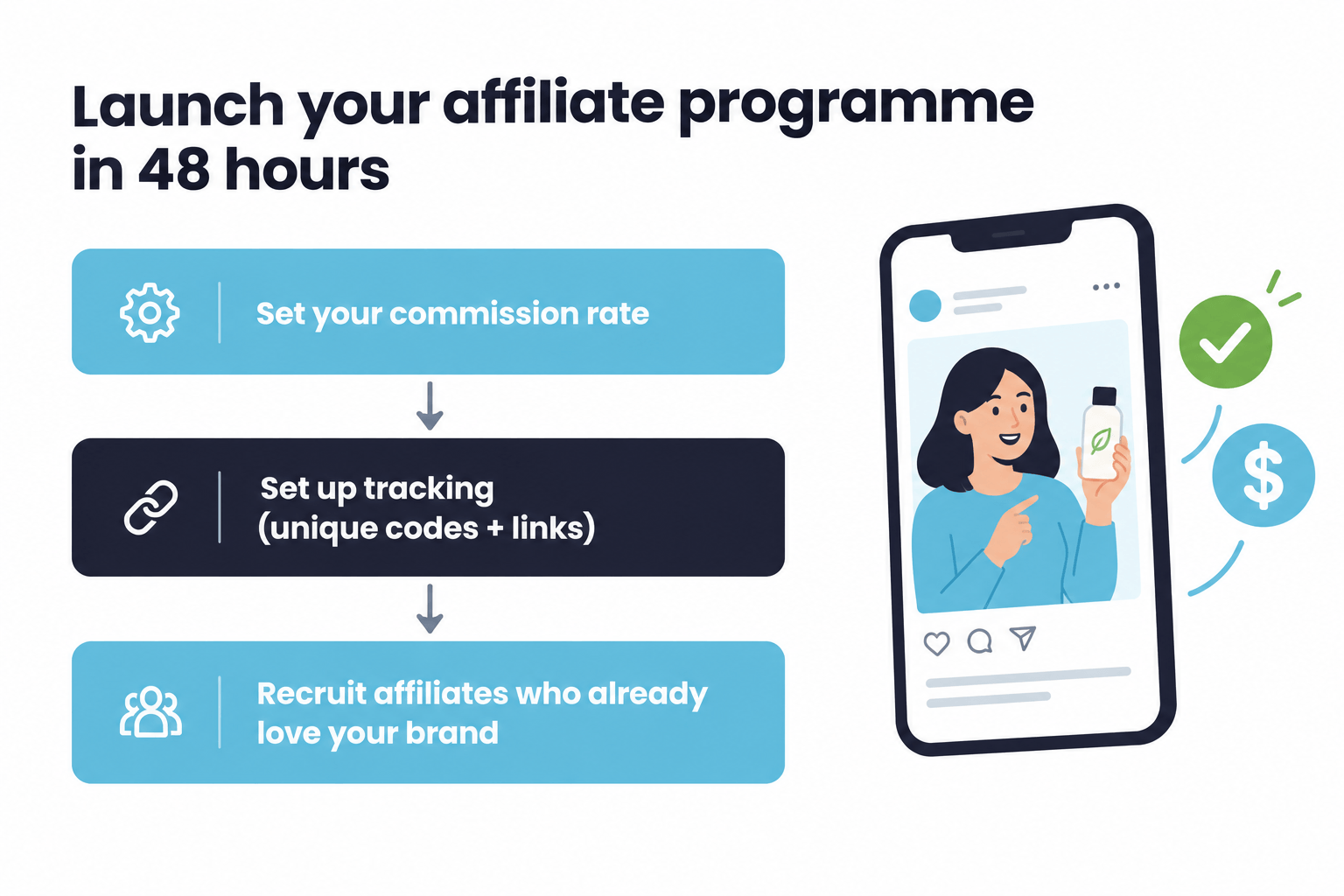
This is a core revenue driver. When you tag products in your videos via TikTok Shop (while ensuring you follow proper FTC disclosure guidelines), you earn a commission on every sale you generate. For off-platform sales, brands often use specialized tracking tags (like UTM parameters) to ensure you are accurately credited for the traffic and sales you drive. Every sale gets tracked back to the creator who drove it.
Whitelisting and Performance Boosting.
This is where high-performing creators add significant commercial value. Brands will ask to *whitelist* your high-performing organic videos, essentially running paid ads using *your* account ID, amplifying its reach to their target audience. Your content is treated as the leading indicator of potential ad performance.
Frequently Asked Questions
How do most professional TikTok creators make money in 2026?
The top creators have diversified revenue. This includes landing sponsored campaigns (UGC gifting or paid deals), utilizing affiliated marketing through TikTok Shop and verified tracking models, and generating whitelisting fees from brands who performance-boost their organic content.
Is relying on the old ‘TikTok Creator Fund’ a viable income strategy?
No. The original fund is obsolete. While TikTok has newer programs like the Creator Rewards Program (prioritizing longer, high-quality, searchable content) or Creator Search Insights, inconsistent view-based payouts should never be a primary income source for a professional creator. The real money is in commercial partnerships and sales performance.
How does niche authority help me get hired by brands?
Niche creators with a deeply engaged audience are significantly more attractive to brands running performance-based campaigns. Brands want to trust that your content will lead to conversions. Having verifiable influence in a specific segment allows you to demand higher rates and participate in campaigns designed for clear ROAS.
Conclusion
Success as a TikTok creator in 2026 is grounded in authenticity and commercial execution. This means defining your niche, mastering high-conversion editing, and diversifying your revenue beyond platform view metrics. If you operate your account like a content business and focus on driving verifiable outcomes for partners, you can build a scalable career, even without a massive following. Results depend on execution quality.