


News & Blog articles
You’ll find easy-to-read articles about influencer marketing. Get practical tips, learn the latest trends, and find out how to make the most of your brand collaborations. Whether you’re just starting or looking to improve, our blog has helpful advice for everyone.

Influencer marketing platforms in Australia cost from $0 to over US$14,700 a year. We checked the pricing pages of 11 platforms in October 2026 and compared entry prices, fees on sales, trials and contracts, with AUD figures and GST notes.

referwoadmin
Content Writer
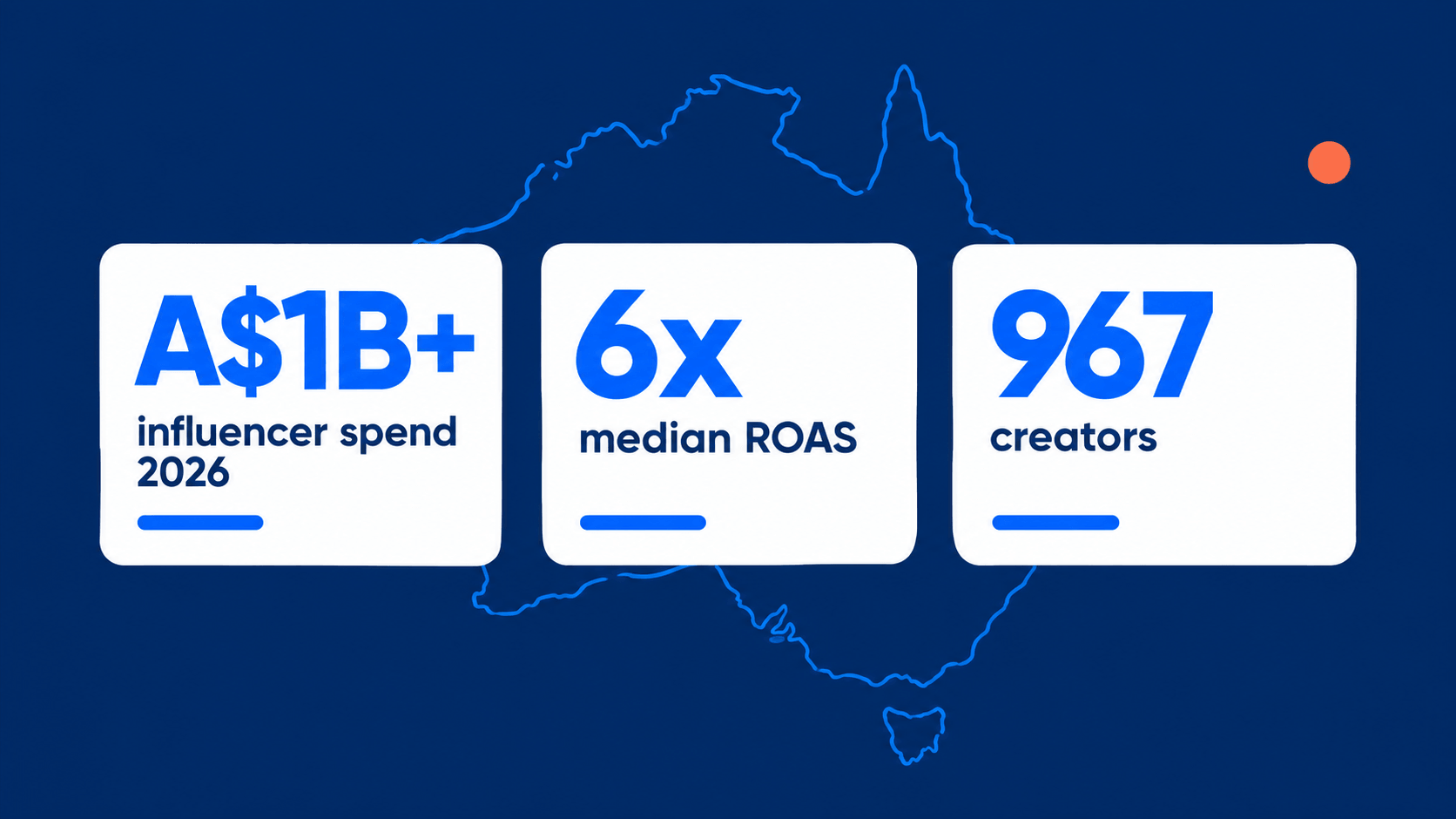
Australian influencer spend is heading past A$1 billion in 2026. Here are the verified numbers, plus first-party Referwo data from seven ecommerce campaigns: 967 creators, 2,055+ content pieces and a median 6x ROAS.
referwoadmin
Content Writer
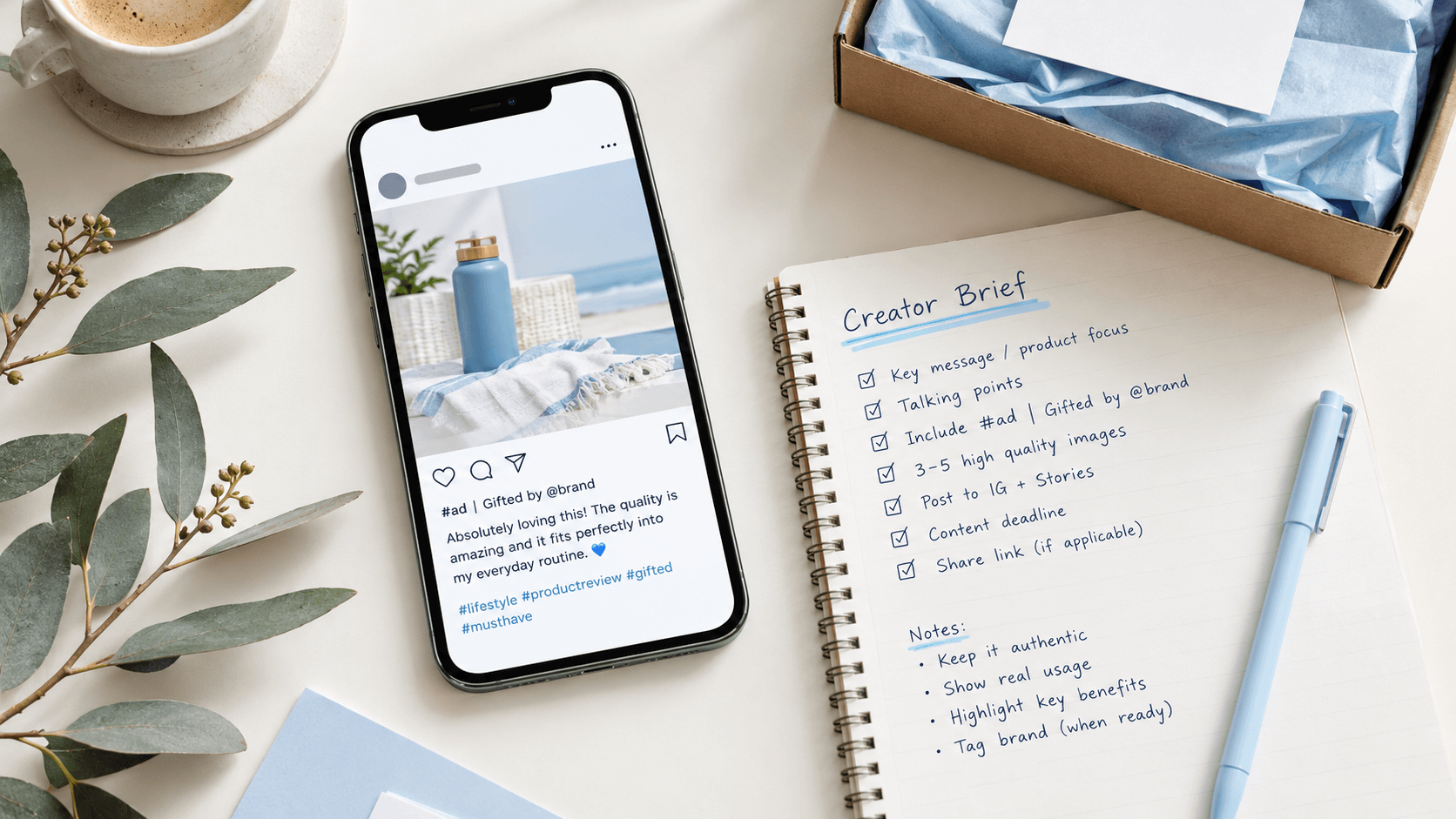
Gifted product counts as payment in Australia, so creator posts about it are ads. Here is what the ACCC and AANA require in 2026, which disclosure labels work, who is liable, and a seven-point checklist to paste into your creator brief.
referwoadmin
Content Writer
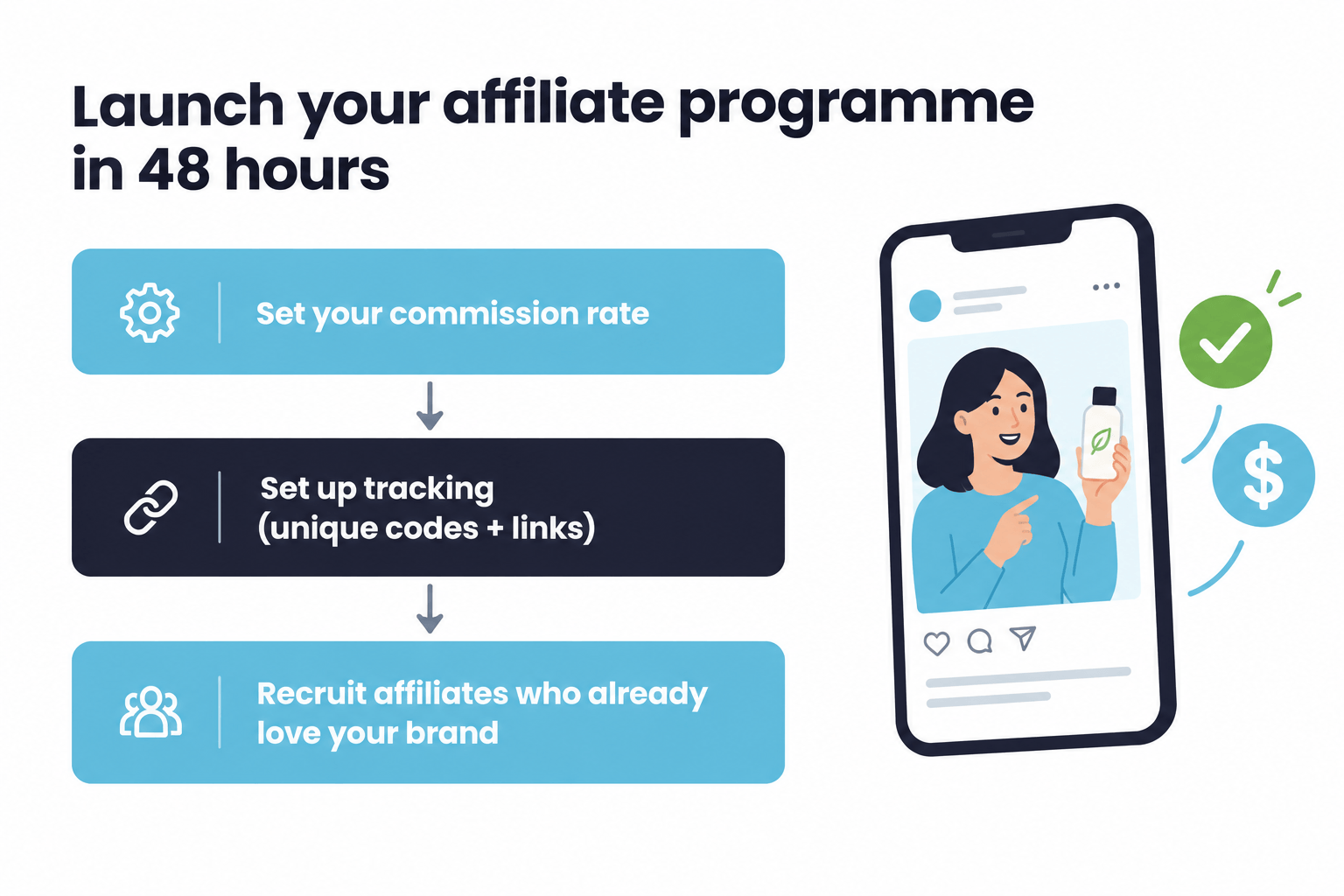
Starting an affiliate programme for your Australian Shopify store comes down to three decisions, what commission rate to offer, how you will track which sales each affiliate drives, and where you will find affiliates who already match your audience.
referwoadmin
Content Writer
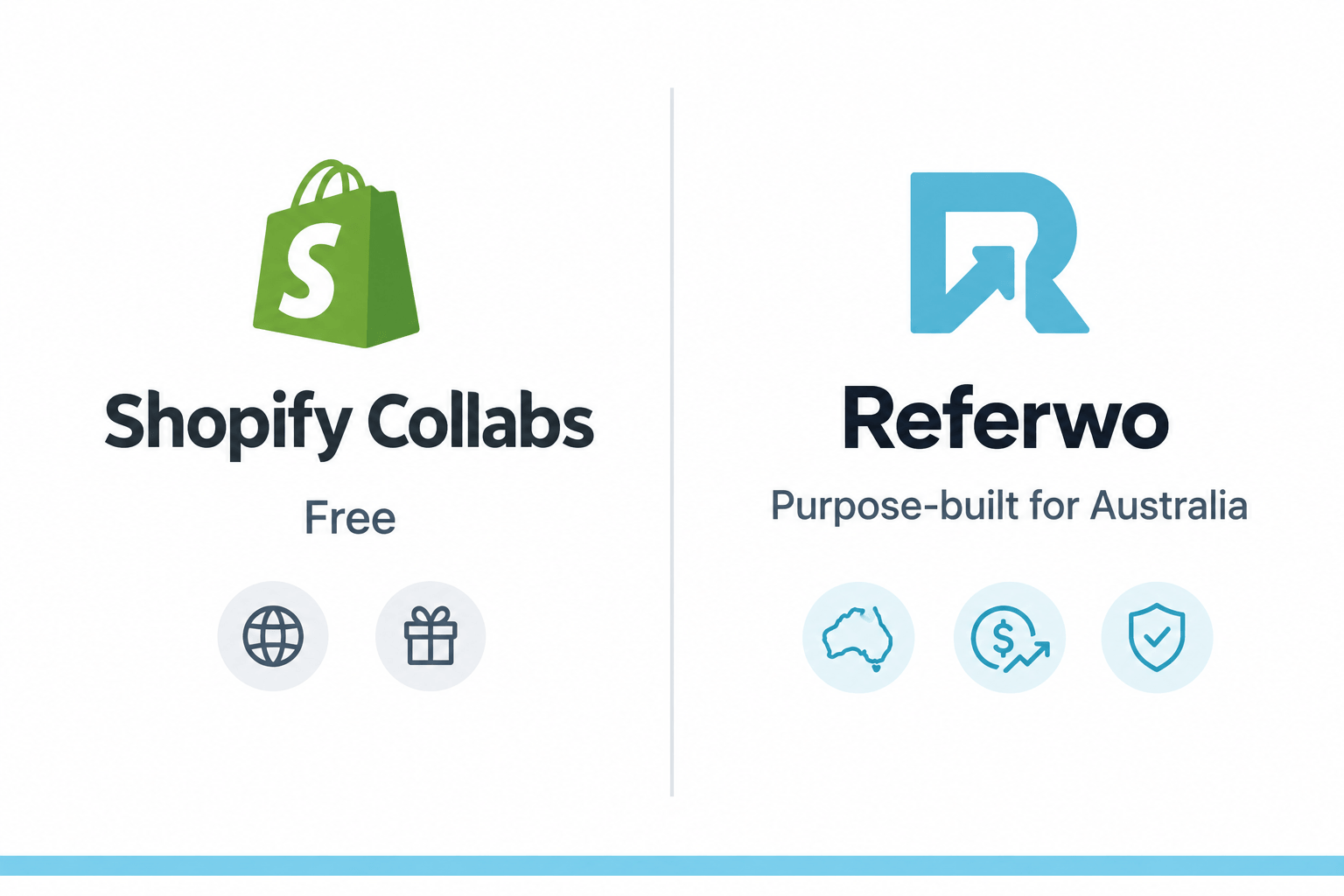
If you're an Australian Shopify brand weighing up Shopify Collabs versus Referwo, the answer comes down to what you need influencer marketing to actually do for your business. Both platforms connect brands with creators - but they operate at very different depths.
referwoadmin
Content Writer

The key distinction between gifted and paid is not whether content gets posted - on Referwo, gifted creators are obligated to post when they accept a campaign. The real difference is what control the brand retains over the final output.
referwoadmin
Content Writer