



Last updated: July 2026
Most creators start by waiting for a brand to email them. That is a terrible business model. If you want to build a sustainable income, you need multiple revenue streams that do not rely purely on vanity metrics. The creators who actually scale treat their audience like a business. This guide breaks down the five most reliable ways creators are monetising their audiences right now.
Quick Answer
To make money as a creator, stop relying on random inbound emails. The five most effective monetization methods are joining performance-based creator platforms, leveraging sponsored and affiliate content, running on-platform video ads, launching paid membership tiers, and selling direct merchandise or event access.

1. Join a Performance-Based Creator Platform
Waiting for brands to find you does not scale. You need a centralized way to find ecommerce brands that are actively spending money. Performance influencer marketing platforms solve this by aggregating live campaigns.
When you join a platform like Referwo, you connect directly with brands looking for measurable revenue outcomes. You stop negotiating one-off flat fees and start building ongoing partnerships.
This allows you to access analytics tools that track exactly how many people click your links. You quickly learn what content actually converts your audience into buyers.
Balancing Sponsored Content and Affiliate Links
Sponsored content pays a flat fee for a post. It is reliable upfront, but it caps your earning potential. Affiliate links, however, pay you a commission-based rate for every sale you drive.
The smartest creators combine both. Use tracking tags added to URLs (UTM parameters) to prove your conversion rate. When you can prove your sales impact, your baseline rates increase.

2. Monetise Videos With Direct Ad Revenue
Platforms like YouTube and Instagram allow you to run ads directly against your content. It is a highly scalable form of passive income, provided you have consistent viewing volume.
You must balance ad frequency with the viewer experience. Jamming too many ads into a video will throttle your completion rate and damage your engagement.
Setup is usually straightforward. You verify your location and bank details, and the platform manages the ad inventory automatically.

3. Launch a Paid Membership Tier
Relying entirely on a social algorithm is a massive commercial risk. A paid membership moves your most dedicated followers into an ecosystem you actually control.
Platforms like Patreon let you charge a monthly subscription. In return, you provide exclusive content, private community access, or early product drops.
Treat your membership tier like a SaaS product. It requires ongoing maintenance, consistent value delivery, and a clear strategy to convert free followers into paying subscribers.
4. Host Events for Your Core Audience
If you have strong engagement in a specific niche, hosting events is a highly profitable revenue stream. This works for both digital workshops and physical meet-ups.
You do not need massive upfront capital. Book a low-cost venue or use webinar software, and rely on your organic reach to drive ticket sales.
Once you prove attendance numbers, you can pitch event sponsorships to ecommerce brands trying to reach your specific demographic.

5. Sell Your Own Merchandise
Selling products turns your audience into direct customers. It gives you full control over pricing, supply chain, and your profit margins.
You can link an online store directly to your social platforms so buyers never have to leave the app to checkout. Frictionless buying increases conversion rates.
Start small. Test a limited merchandise drop or a single digital product to gauge your audience’s actual purchasing power before you order heavy inventory.
Frequently Asked Questions
Do I need a massive following to start making money?
No. Brands prioritize conversion rates over vanity metrics. A highly engaged creator with 5,000 followers will often drive better Return on Ad Spend (ROAS) than a generic account with 100,000.
What is the fastest way to connect with paying brands?
Join a vetted platform that lists active campaigns. Cold emailing is slow and inefficient. Platforms put you directly in front of ecommerce managers who already have marketing budget approved.
How do I prove my sales impact to brands?
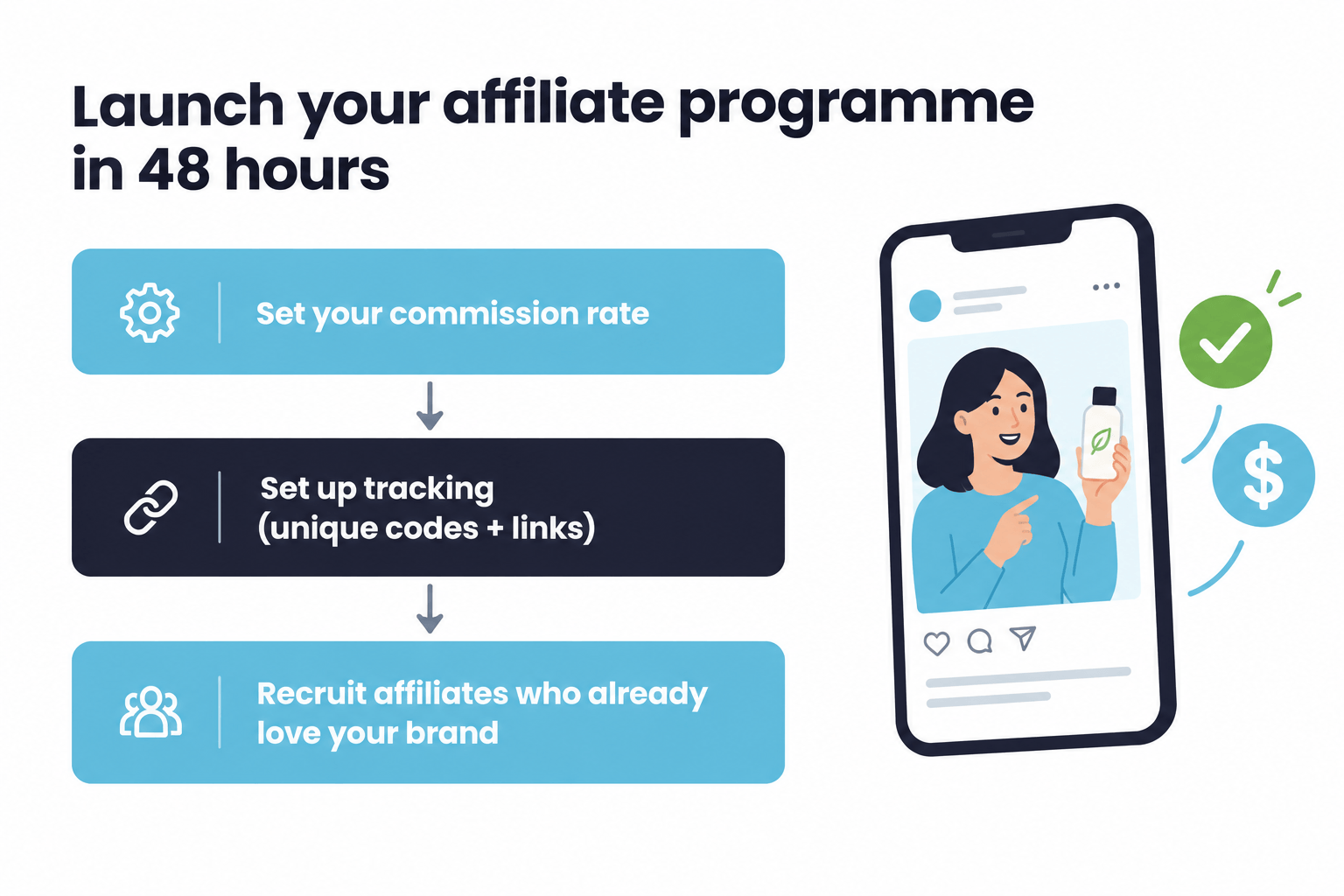
Always use dedicated discount codes and trackable affiliate links. If a brand cannot attribute the sale directly to your content, they will not pay you to post again.
The Reality of Creator Monetisation
Relying on a single revenue stream is a commercial risk no creator should take. Build a system that captures value through multiple channels, from direct sales to performance-based brand deals.
The creator economy has matured. If you are ready to stop negotiating basic flat fees and start earning based on the actual sales you drive, it is time to connect with brands that understand performance.