



Best Practices for Influencer Analytics
In today’s data-driven marketing landscape, analysing influencer performance effectively is no longer optional, it’s essential. Brands that rely on vanity metrics alone often struggle to understand what’s actually driving sales, engagement, and long-term growth. The most effective influencer programs are built on clear goals, measurable KPIs, and consistent performance analysis across every stage of a campaign. In this guide, we’ll break down best practices for influencer analytics, show you which metrics truly matter, and explain how brands can turn influencer data into smarter decisions and higher ROI.
Why Influencer Performance Analysis Matters More Than Ever

Influencer marketing has matured. What was once about reach and visibility has evolved into a performance-driven channel tied directly to revenue, customer acquisition, and lifetime value.
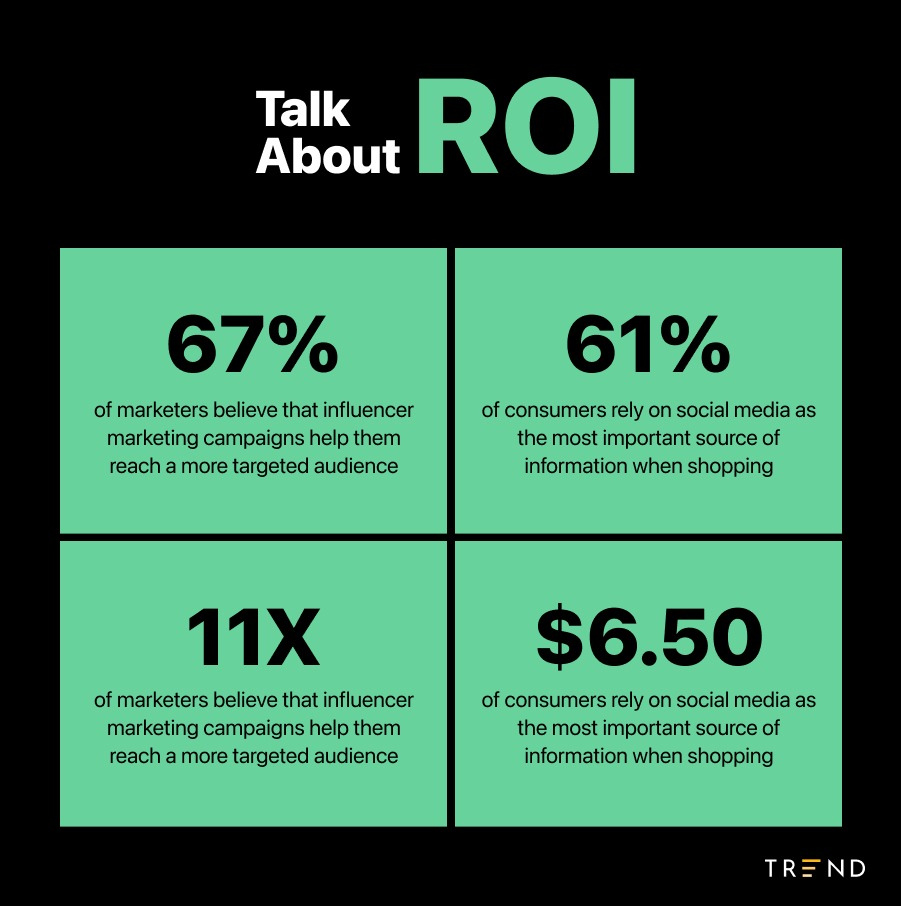
According to industry data from Influencer Marketing Hub, brands earn an average of $5.78 for every $1 spent on influencer marketing when campaigns are tracked and optimised properly. The difference between brands that see these returns and those that don’t usually comes down to how well they analyse influencer performance.
Without a structured analytics framework, brands risk:
- Investing in influencers who look good on paper but don’t convert
- Repeating underperforming campaign strategies
- Missing opportunities to scale high-performing creators
Effective influencer analytics gives you clarity on what’s working, what’s not, and where to double down.
Step 1: Start With Clear Campaign Objectives
Before you analyse any numbers, you need to be clear on why you’re working with influencers in the first place. Performance analysis only works when metrics are tied to specific goals.
Common influencer campaign objectives include:
- Brand awareness and reach
- Engagement and community growth
- User-generated content (UGC) creation
- Website traffic
- Sales and conversions
Each objective requires a different analytics lens. For example, a gifted UGC campaign shouldn’t be judged by sales alone, while an affiliate influencer campaign must be evaluated primarily on revenue and ROI.
On the Brands page, Referwo explains how brands can choose between affiliate, gifted, or paid campaigns, each aligned to different goals and success metrics.
Step 2: Identify the Metrics That Actually Matter
One of the biggest mistakes brands make is tracking too many metrics—or the wrong ones. Let’s break down the most important influencer performance metrics and when to use them.
1. Engagement Rate (Not Just Likes)
Engagement rate is one of the strongest indicators of influencer quality. It shows how actively an influencer’s audience interacts with their content.
Key engagement metrics include:
- Likes
- Comments
- Shares
- Saves
A high engagement rate often signals trust and authenticity, especially for micro and nano influencers.
Best practice:
Compare engagement rate to follower count, not in isolation. A creator with 10,000 followers and a 6% engagement rate is often more valuable than one with 100,000 followers and 1% engagement.
2. Reach and Impressions (With Context)
Reach shows how many unique users saw the content, while impressions show how often it was displayed. These metrics are essential for awareness campaigns but should never be analysed alone.
High reach with low engagement may indicate:
- Poor audience fit
- Low content relevance
- Inflated or inactive followers
This is why Referwo vets influencers based on engagement quality and audience relevance, not just follower count.
3. Click-Through Rate (CTR)
CTR measures how effectively influencer content drives traffic to your website or landing page. This metric is especially important for:
- Affiliate campaigns
- Product launches
- Discount code promotions
Low CTR often signals weak calls-to-action or misaligned messaging, even if engagement looks strong.
4. Conversions and Sales Attribution
This is where influencer analytics becomes truly powerful.
With proper tracking in place, brands can measure:
- Sales generated per influencer
- Revenue per post
- Cost per acquisition (CPA)
- Return on investment (ROI)
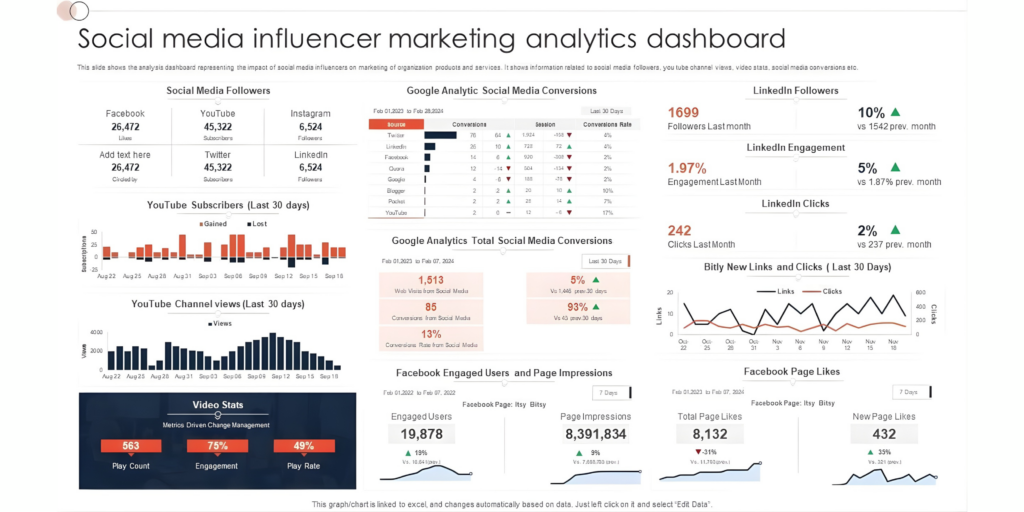
Referwo’s real-time performance tracking allows brands to see discount code redemptions and influencer-driven sales in one dashboard, eliminating guesswork and spreadsheets.
5. Cost Per Result (CPR)
Cost per result helps you understand efficiency. Depending on your goal, this could be cost per engagement or cost per sale. Comparing CPR across influencers helps identify which creators deliver the most value, which is a crucial step when setting your influencer marketing budget.
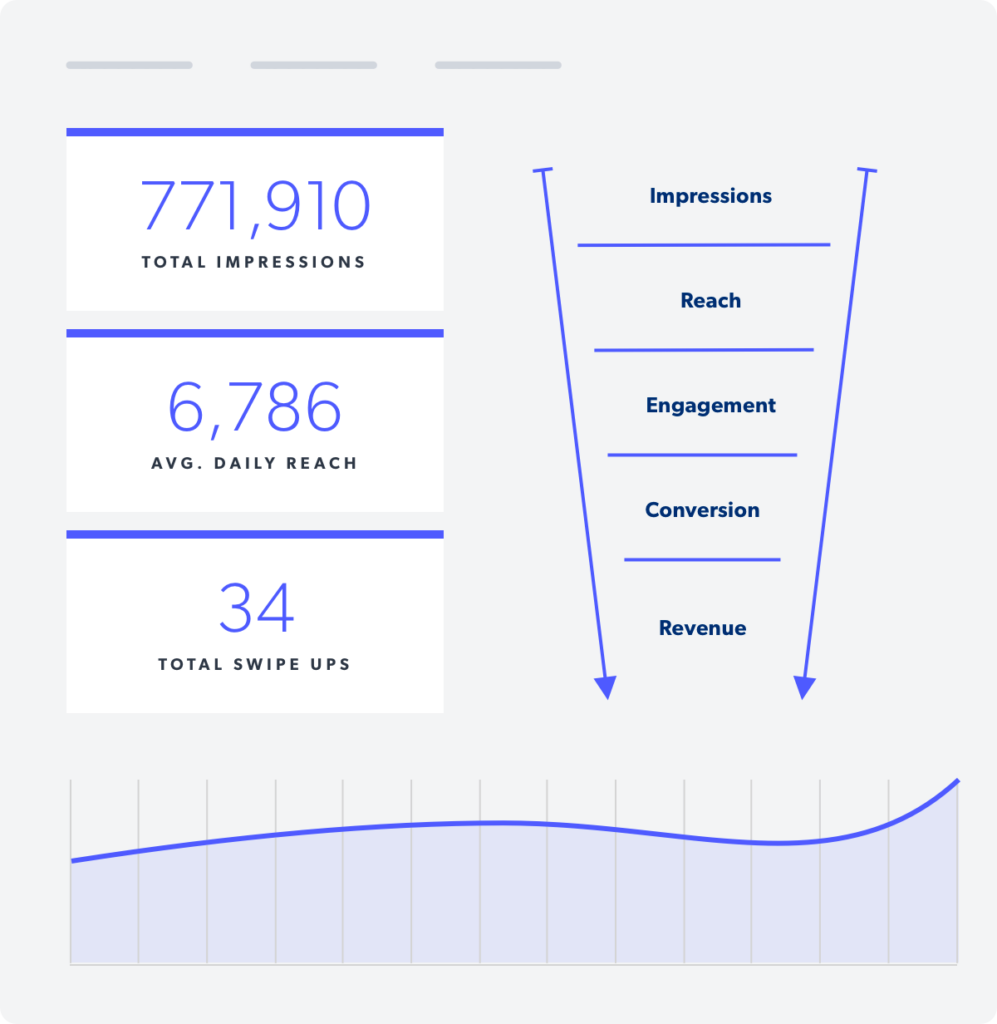
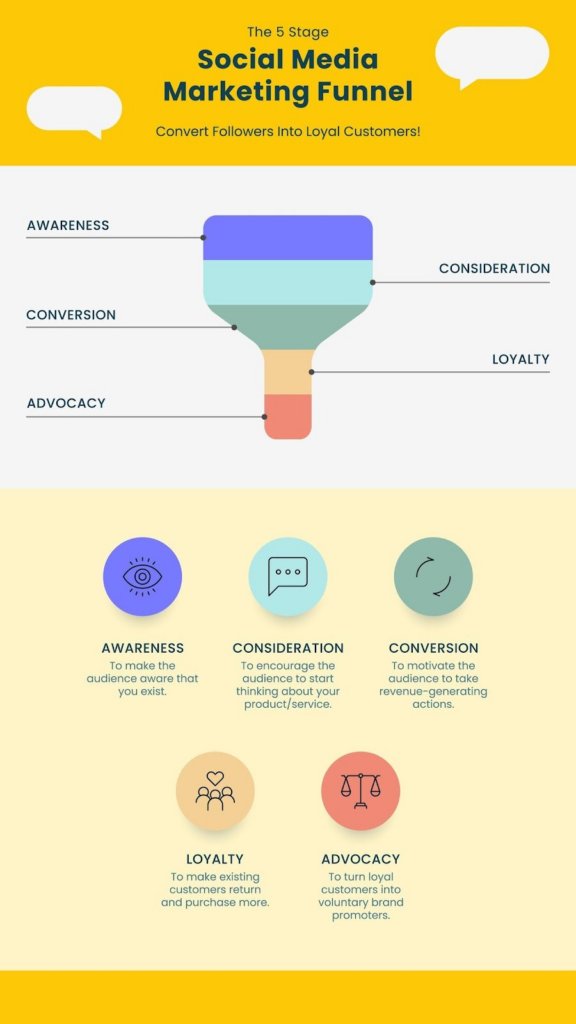
Step 3: Analyse Influencer Performance Across the Full Funnel
Influencer performance shouldn’t be measured at a single point. The best brands analyse results across the entire customer journey.
Top of Funnel: Awareness
Metrics to track:
- Reach
- Impressions
- Follower growth
- Brand mentions
This stage is about visibility and discovery, not immediate sales.
Mid Funnel: Engagement & Trust
Metrics to track:
- Engagement rate
- Saves and shares
- Story replies
- Profile visits
This is where influencer authenticity matters most.
Bottom of Funnel: Conversion & Revenue
Metrics to track:
- Clicks
- Discount code usage
- Sales volume
- ROI
Brands using Referwo can monitor these metrics in real time, making it easier to optimise campaigns while they’re still live.
Step 4: Compare Influencers Fairly (Benchmarking Best Practices)
Not all influencers should be compared equally. Fair analysis requires benchmarking creators against similar profiles.
Segment influencers by:
- Follower size (nano, micro, macro)
- Platform (Instagram, TikTok, YouTube)
- Campaign type
- Content format (reels, stories, posts)
For example, comparing a micro-influencer’s engagement rate to a macro-influencer’s isn’t always useful. What matters is how each performs within their tier.
Step 5: Track Content Performance, Not Just Creator Performance
Influencer analytics isn’t only about who performed well—it’s also about what content worked.
Analyse:
- Which content formats converted best
- Caption styles that drove clicks
- Video vs static content performance
- Product-focused vs lifestyle content
High-performing influencer-generated content can be repurposed across:
- Paid ads
- Email campaigns
- Product pages
This is one reason brands explore UGC strategies alongside influencer marketing, as explained in Referwo’s blog on Why Referwo is Australia’s Leading Influencer Marketing Platform for eCommerce Brands.
Step 6: Use Real-Time Analytics to Optimise Campaigns
Post-campaign reporting is useful—but real-time analytics is where brands win.
With real-time data, you can:
- Identify underperforming influencers early
- Adjust messaging mid-campaign
- Scale top performers while campaigns are live
Referwo’s all-in-one influencer CRM removes manual reporting and shows campaign performance as it happens, allowing brands to optimise rather than react.
Step 7: Measure Long-Term Influencer Value (Not Just One Campaign)
The best influencer partnerships often improve over time.
Advanced analytics should track:
- Repeat sales from influencer audiences
- Performance across multiple campaigns
- Content consistency and brand alignment
Many brands discover that a smaller group of repeat influencers delivers better ROI than constantly onboarding new creators.
You can explore real-world results on the Case Studies page, where brands share measurable outcomes from long-term influencer collaborations.
Step 8: Common Influencer Analytics Mistakes to Avoid
Even experienced marketers fall into these traps:
- Relying on vanity metrics only
- Ignoring audience demographics
- Not tracking sales attribution properly
- Judging influencers after one post
- Failing to compare results against benchmarks
Effective influencer analysis is about patterns, not isolated data points.
How Referwo Simplifies Influencer Performance Analysis

Analysing influencer performance doesn’t have to be complex.
Referwo helps brands:
- Track influencer-driven sales and ROI in real time
- Monitor engagement, conversions, and discount code usage
- Automate reporting across campaigns
- Compare influencer performance fairly and clearly
Instead of juggling spreadsheets and platform screenshots, everything lives in one dashboard—saving time and improving decision-making.
Best Practices for Influencer Analytics: Quick Checklist
- Define campaign goals before launching
- Track metrics aligned to those goals
- Analyse performance across the full funnel
- Benchmark influencers fairly
- Use real-time data to optimise
- Measure long-term influencer value
Final Thoughts: Turn Influencer Data Into Growth
Influencer marketing success isn’t about working with the biggest creators—it’s about understanding what drives real results. By applying these best practices for influencer analytics, brands can move beyond guesswork and build scalable, revenue-driven influencer programs.
If you’re ready to simplify influencer performance tracking and turn insights into action:
👉 Start your free trial
👉 Book a 15-minute demo
Discover how Referwo helps brands analyse influencer performance effectively, track real ROI, and scale smarter influencer campaigns—without the manual work.