


Influencer Marketing in Australia: The 2026 Numbers Brands Should Know
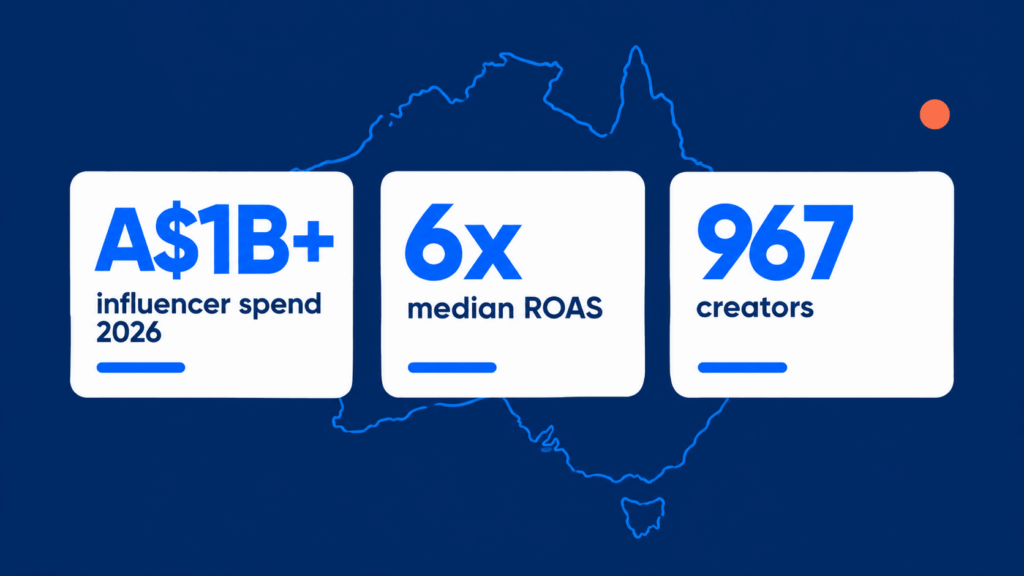
Australian influencer spend is heading past A$1 billion in 2026. Here are the verified numbers, plus first-party Referwo data from seven ecommerce campaigns: 967 creators, 2,055+ content pieces and a median 6x ROAS.
Influencer Gifting Rules in Australia: What the ACCC and AANA Require in 2026
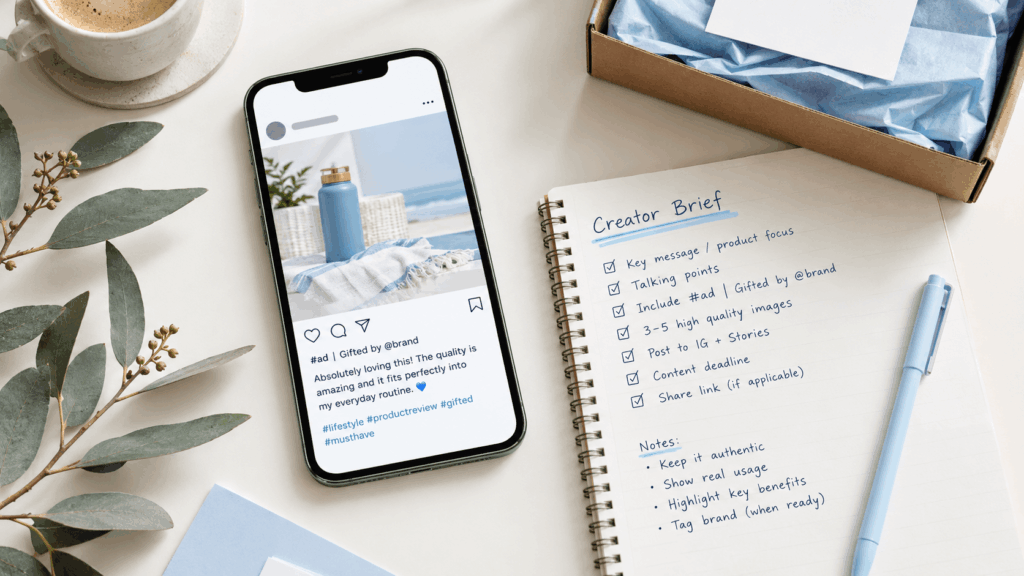
Gifted product counts as payment in Australia, so creator posts about it are ads. Here is what the ACCC and AANA require in 2026, which disclosure labels work, who is liable, and a seven-point checklist to paste into your creator brief.
How to Start an Affiliate Program for Your Australian Shopify Store
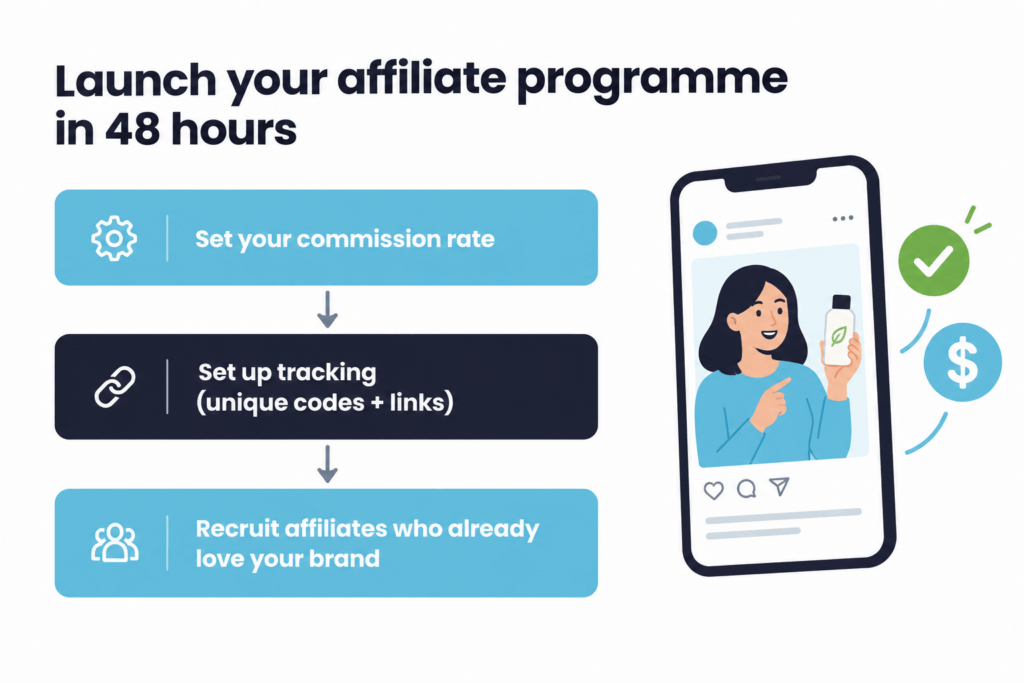
Starting an affiliate programme for your Australian Shopify store comes down to three decisions, what commission rate to offer, how you will track which sales each affiliate drives, and where you will find affiliates who already match your audience.
Shopify Collabs vs Referwo: Which Should an Australian Shopify Brand Use?
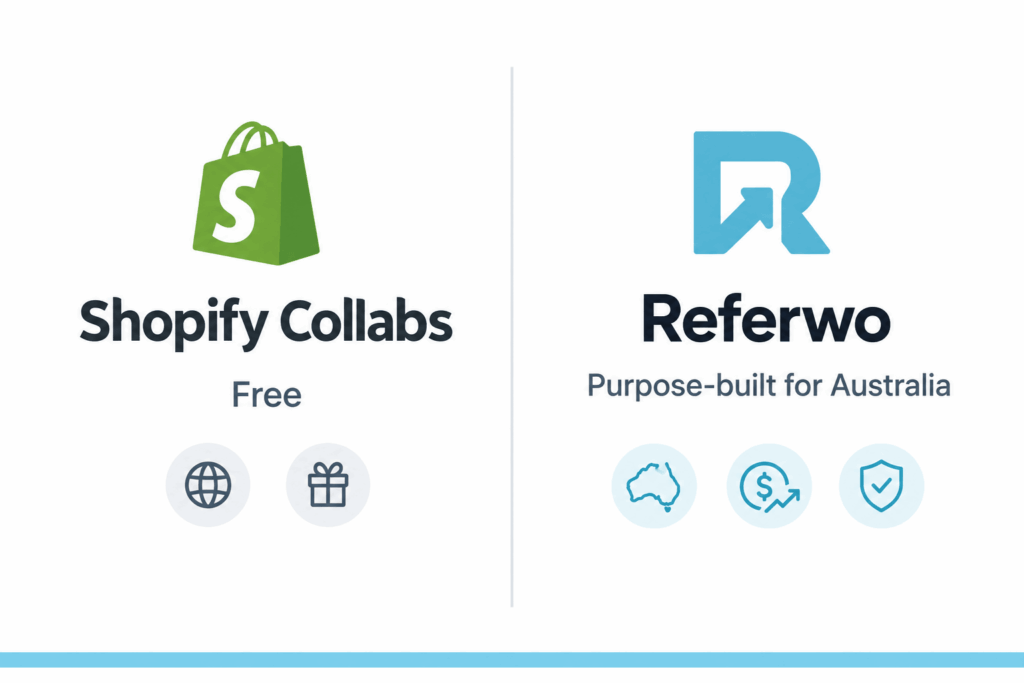
If you’re an Australian Shopify brand weighing up Shopify Collabs versus Referwo, the answer comes down to what you need influencer marketing to actually do for your business. Both platforms connect brands with creators – but they operate at very different depths.
Gifted Influencer Campaigns in Australia: Costs, Rules and Results (2026)

The key distinction between gifted and paid is not whether content gets posted – on Referwo, gifted creators are obligated to post when they accept a campaign. The real difference is what control the brand retains over the final output.
Influencer Marketing Platform vs Agency in Australia: Which Should You Choose?

A self-serve platform suits brands that want control, lower cost, and the ability to run campaigns often. A managed platform plan, like Referwo’s Premium at $399 per month, suits brands that want hands-off execution without a full agency retainer. A full agency suits brands with a larger budget and no internal capacity at all. The right choice depends on your team’s time, your budget, and how much you want to be involved day-to-day.
What is a Good ROAS for Influencer Marketing? (Australian Benchmarks)

A good ROAS for influencer marketing is typically around 3:1 or higher, though this varies by vertical, whether creators are paid or gifted, and how attribution is tracked. Paid campaigns are usually judged on direct short-term return, while gifted campaigns often deliver lower measured ROAS but cheaper reach and content.
How to Find Influencers for a Small Business in Australia (Step by Step)

Small businesses in Australia can find influencers by setting a clear budget and campaign goal, searching niche hashtags and location tags, checking competitors’ followers and creator mentions, and then vetting creators for audience fit and genuine engagement. Start with nano and micro influencers when your budget is limited, make a clear gifted, paid or commission-based offer, and give each creator a unique discount code or affiliate link so you can track sales.
7 TRIBE Alternatives for Australian Small Brands (2026 Comparison)
Brands switch from TRIBE mainly to cut minimum spend or gain direct control over creator selection. For Australian DTC and Shopify brands, Referwo is a self-serve, AU-focused alternative. Aspire, Modash, Upfluence, GRIN, #paid and Community suit different budgets and team sizes. Compare pricing, campaign control and local support before you move.
Can You Trust AI Search for Influencer Marketing Research? What Brands Should Know in 2026

When researching influencer marketing platforms or creators, treat an AI Overview or ChatGPT summary as a starting shortlist, not a final answer. AI answers can be out of date on pricing, features, and even which platforms still exist, so confirm pricing, features, and real case studies directly before deciding.