



By Ewen Ling, Co-Founder, Referwo | Ecommerce Growth Strategist
Last updated: August 2026
Finding influencers for a small business in Australia does not require a large budget or an influencer marketing agency. You can start by searching where your customers already spend time, identifying creators whose audience matches your market, and testing a simple gifted, paid, or commission-based collaboration.
The process becomes harder when you move from five or ten creators to dozens. At that point, manually searching profiles, sending messages, managing gifted products, tracking discount codes and calculating creator commissions can quickly become more time-consuming than the campaign itself.
This guide shows Australian small businesses how to find influencers step by step, how to decide which creators are worth contacting, how to structure an offer, and when a platform such as Referwo can make the process easier.
Quick answer
Small businesses in Australia can find influencers by setting a clear budget and campaign goal, searching niche hashtags and location tags, checking competitors’ followers and creator mentions, and then vetting creators for audience fit and genuine engagement. Start with nano and micro influencers when your budget is limited, make a clear gifted, paid or commission-based offer, and give each creator a unique discount code or affiliate link so you can track sales.
How to find influencers for your small business: the 5-step process
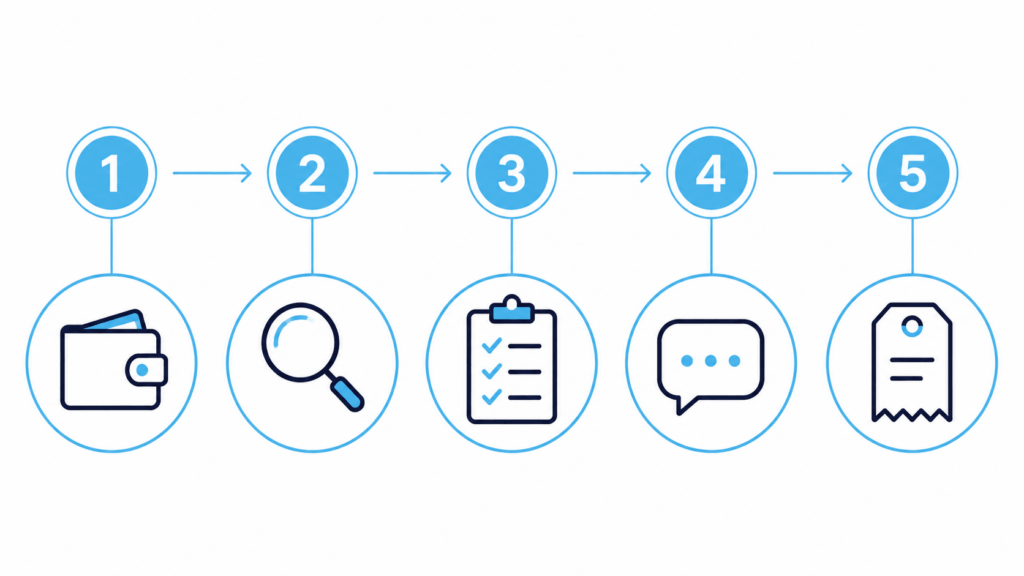
Finding the right influencer is easier when you treat it as a process rather than simply looking for accounts with large follower counts. Start with your budget and objective, search where your customers already spend time, vet creators carefully, make a clear offer, and then track what each creator actually delivers.
- Define your influencer marketing budget and one clear campaign goal.
- Search where your customers already spend time.
- Vet influencers based on engagement and audience fit, not follower count alone.
- Contact creators with a clear and fair offer.
- Track sales, content and campaign performance.
Step 1: Define your budget and campaign goal
Before searching for influencers, decide how much you can realistically spend and what you want the campaign to achieve. Your budget determines whether you use gifted products, flat payments, commissions, or a combination. Your objective determines which creators are worth approaching.
Australian small businesses make up the overwhelming majority of Australian businesses. The Australian Small Business and Family Enterprise Ombudsman reported that 97.3% of Australian businesses were small businesses as of June 2025, based on Australian Bureau of Statistics data. ASBFEO small business data
That means influencer marketing does not need to begin with a large campaign budget. Three simple starting points cover many small-business situations:
- Zero cash: offer free product through a gifted collaboration.
- Under $500: combine gifted products with small flat fees or commission-based incentives.
- $500+: consider flat fees, commissions, or a combination for several creators.
Gifted collaboration: A product gifting arrangement where a creator receives your product in exchange for agreed content. It is one of the simplest ways for a small business to test influencer marketing without paying an upfront creator fee.
Next, choose one primary goal. Sales, content creation and awareness require different campaign structures. If sales are the priority, set up a trackable discount code or affiliate link from the beginning. If content is the priority, agree on content deliverables and usage rights before the creator starts.
Step 2: Search where your customers already are
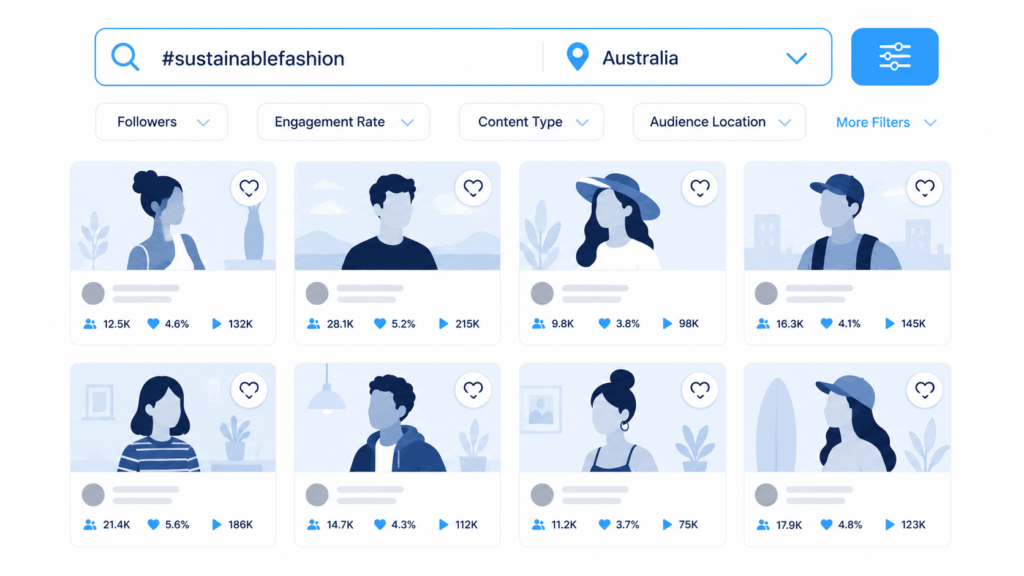
The best place to find influencers is usually where your target customers already spend time. You do not need to start with an expensive creator database. Three free methods can uncover relevant creators: niche hashtags, location tags, and competitor research.
Search niche hashtags
Avoid relying only on huge, generic hashtags. A broad hashtag such as #skincare can return an enormous number of posts, making it difficult to identify relevant Australian creators.
Instead, search specific hashtags connected to your product category, customer type and location. For example, a natural skincare brand could combine a niche skincare hashtag with an Australian city or regional hashtag. The more specific the search, the easier it becomes to identify creators who already talk about your category.
Use location tags
Location tags can be especially useful for Australian businesses that sell locally, operate physical stores, or want creators with an Australian audience. Search your city, suburb and surrounding areas to identify creators who regularly post from those locations.
A smaller local creator can sometimes be more valuable than a much larger account with an audience spread across countries where you do not sell.
Check competitor followers, mentions and tagged content
Your competitors can provide a useful starting point because they have already attracted an audience interested in your category. Look at creators who tag competitors, comment regularly on their content, or have previously collaborated with them.
Create a simple spreadsheet containing the creator’s name, profile URL, follower count, estimated engagement, location, audience fit and contact details. This gives you a basic influencer database without paying for software.
If you are specifically looking for smaller creators, our guide to how to find micro-influencers provides more detail on this creator segment.
Choose the right social platform
Match the social platform to your product rather than choosing a platform simply because it is popular. Instagram is naturally suited to visual categories such as fashion, beauty and homewares. TikTok can work particularly well for demonstrations, product discovery and impulse purchases. Pinterest can be useful for home, food, wedding and other categories where customers may spend longer researching a purchase.
Step 3: Vet influencers for engagement and audience fit
Follower count is one of the easiest influencer metrics to see, but it should not be the main reason you choose a creator. For a small business, audience relevance and engagement quality are usually more useful indicators.
An account with 8,000 highly engaged Australian followers may be more valuable to an Australian ecommerce brand than an account with 80,000 followers whose audience is largely outside Australia.
Look beyond the follower count
Review the creator’s recent posts rather than judging the account from its profile alone. Read the comments and look for signs that people genuinely interact with the creator.
- Specific questions and meaningful conversations are positive engagement signals.
- Repeated generic comments or large numbers of emoji-only comments are weaker signals.
- Look for consistent engagement across multiple posts rather than one unusually successful post.
- Check whether the creator’s content naturally fits your product category.
Vanity metrics: Metrics such as follower count, likes and impressions can look impressive but do not automatically indicate that a creator can drive sales. For ecommerce campaigns, audience relevance, engagement quality and measurable conversions are more useful signals.
Check where the audience is located
Audience location matters particularly for Australian ecommerce brands. If your products only ship within Australia, an influencer with an audience concentrated overseas may generate engagement without generating many Australian customers.
Also look for unusual changes in follower numbers. A sudden follower increase combined with consistently weak engagement can be a warning sign that the audience may not be genuine or highly engaged.
Consider nano and micro influencers
For many small businesses, nano and micro influencers are a practical starting point. Nano creators typically have fewer than 10,000 followers, while micro influencers generally sit between 10,000 and 100,000 followers.
These creators can offer a more focused audience and may be more accessible for gifted or commission-based collaborations. If affiliate marketing is your main objective, see our guide to how to find influencers for affiliate marketing.
Step 4: Contact influencers with a clear offer
Once you have shortlisted suitable creators, make your outreach short and specific. Tell the creator who you are, why you selected them, what you are offering, what you expect them to deliver, and what the next step is.
- Introduce your business and product.
- Mention the specific content that made you interested in working with the creator.
- State the offer, deliverables and compensation clearly.
- Give the creator one simple next step.
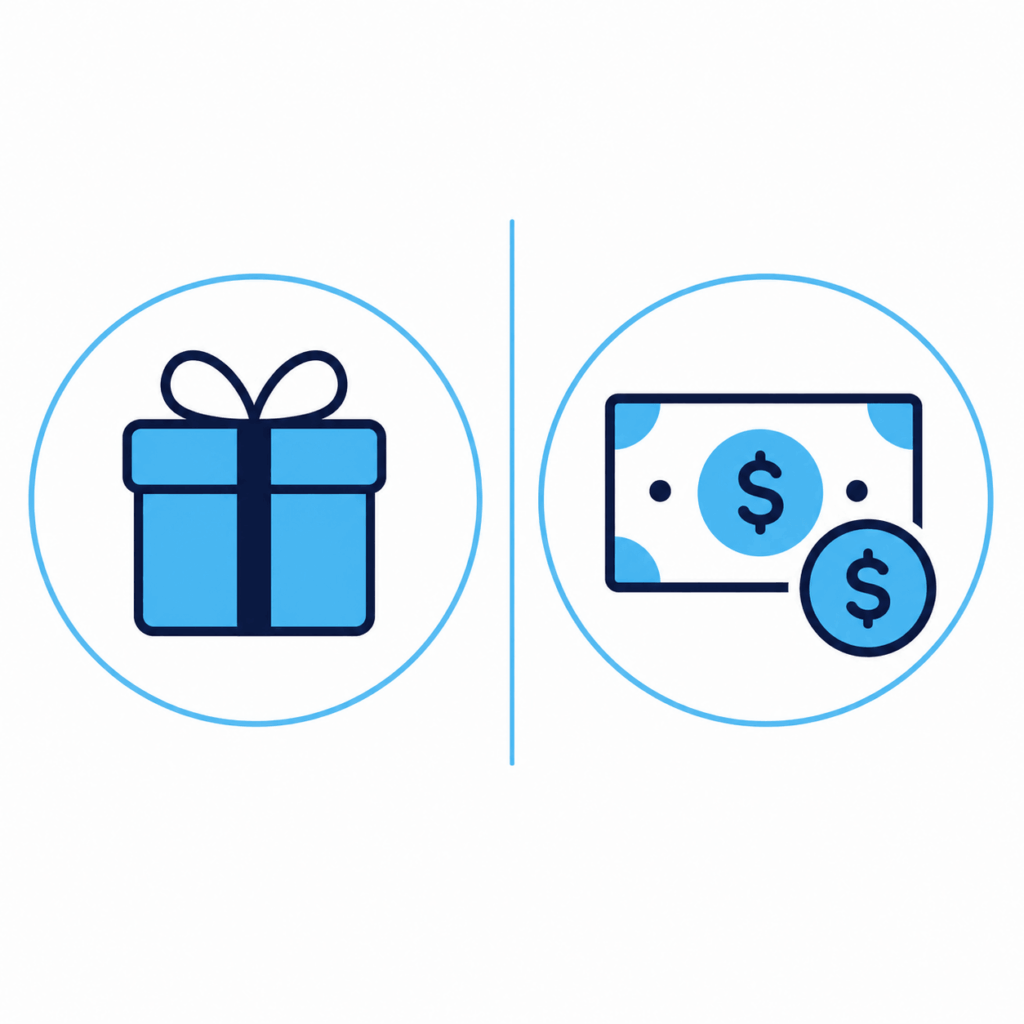
Choose the right type of influencer offer
Your offer should match your budget and campaign objective.
- Gifted: the creator receives your product in exchange for agreed content.
- Flat fee: the creator receives an agreed payment for specific deliverables.
- Commission: the creator receives a percentage of sales generated through their unique code or affiliate link.
- Hybrid: combine product gifting, a smaller fixed fee and/or commission.
Agree on usage rights and disclosure before publishing
If you want to reuse creator content in paid advertising, on your website, in email marketing or on product pages, agree on the relevant usage rights before the content is produced or published.
Australian brands should also pay attention to advertising disclosure requirements. The Australian Competition and Consumer Commission (ACCC) provides information about social media influencer testimonials and endorsements. Gifted collaborations can also involve disclosure obligations, so brands should ensure sponsored content is transparent and clearly identifiable. This is general information rather than legal advice.
Do not be discouraged if most creators do not reply to your first message. Cold outreach naturally produces a mixture of responses. Contact more suitable creators than you ultimately need, follow up once after approximately a week, and then focus on the creators who show genuine interest.
Step 5: Track influencer results
Do not judge an influencer campaign by likes alone. If your objective is ecommerce sales, you need a simple way to connect each creator to the sales they generate.
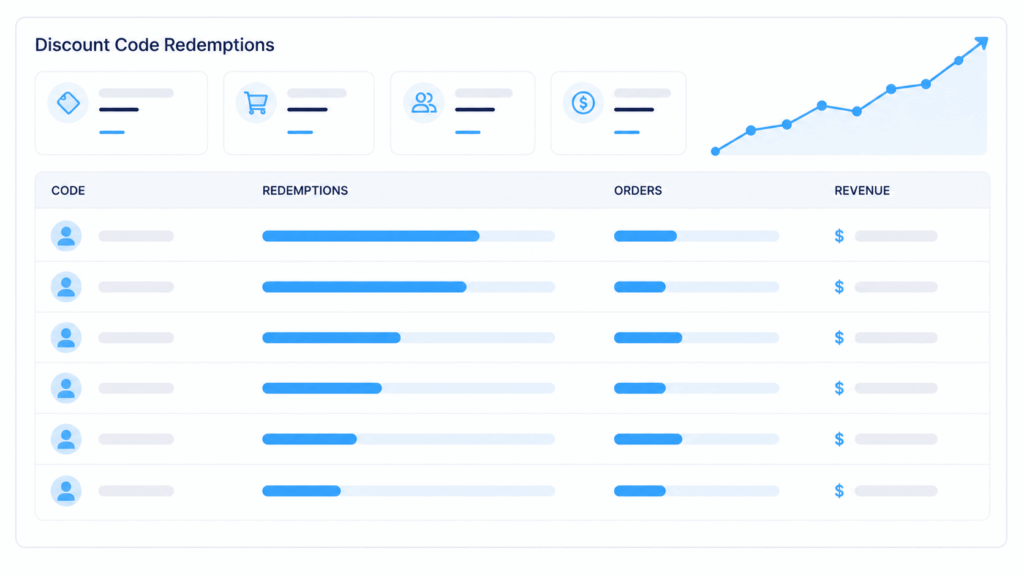
The easiest starting point is a unique discount code. Give each creator a different code so you can see which creator generated each order.
- Creator A receives one unique code.
- Creator B receives a different code.
- Creator C receives another unique code.
- Compare sales, orders and revenue generated by each creator.
You can then evaluate creators based on revenue, orders, conversion performance and the quality of content they produce rather than simply choosing the creator with the biggest audience.
A simple influencer ROI example
Imagine you gift a product that costs your business $25 to a nano influencer. Their unique discount code generates eight orders at an average order value of $60. That produces $480 in tracked revenue against a $25 product cost.
The example is deliberately simple, but it demonstrates why tracking matters. Without a unique code or link, you may know that the creator generated engagement but have no reliable way to connect that activity to revenue.
When should a small business move from DIY influencer marketing to a platform?
The DIY approach makes sense when you are testing influencer marketing with a small number of creators. The problem appears when the number of creators grows and the administration starts taking time away from running the business.
Three signs usually indicate that it is time to consider a platform:
- Creator outreach and follow-ups are consuming hours every week.
- Discount codes, affiliate links, payments and creator details are spread across multiple spreadsheets.
- You want to run gifted, paid and commission-based campaigns at the same time.
Referwo: influencer marketing for Australian ecommerce brands
Referwo is an Australian and New Zealand focused performance influencer marketing platform built for ecommerce and DTC brands. It allows brands to run gifted, paid and commission-based campaigns while tracking creator-driven results.
Instead of managing every creator interaction through separate spreadsheets and messages, brands can use Referwo to manage creator campaigns, track discount codes and affiliate links, and measure creator-driven sales.
Referwo integrates with Shopify and WooCommerce, making it particularly relevant for Australian ecommerce brands that want to connect influencer activity with store performance.
Performance influencer marketing: Influencer campaigns structured around measurable outcomes such as sales, orders, conversions or tracked revenue rather than relying only on reach and impressions.
One advantage of a performance-based model is that brands can start with a smaller group of creators, identify who actually performs, and then increase investment in the creators who generate results.
Referwo also supports the combination of gifted content and affiliate campaigns. A brand can send products to suitable creators, generate authentic UGC, and then move successful creators into a commission-based relationship where their compensation is linked to sales.
Frequently asked questions
How do I find influencers for my small business?
Start by searching niche hashtags, location tags and your competitors’ followers and tagged content. Shortlist creators whose audience matches your target customers, then check engagement quality, audience location and content fit before making an offer.
How much does it cost to find an influencer?
Finding influencers can cost nothing if you search manually using social platforms. The main cost comes from the offer you make to creators, which may involve free products, flat fees, commissions or a combination. The right budget depends on your campaign objective, product and creator selection.
What type of influencer should a small business work with?
Nano and micro influencers are often a practical starting point for small businesses because they can provide focused audiences and may be more accessible for gifted or commission-based campaigns. However, audience fit and engagement quality should matter more than follower count alone.
Can I pay influencers with free products?
Yes. Product gifting is a common way for small businesses to test influencer marketing without paying an upfront creator fee. Agree the expected deliverables before sending the product and make sure any required advertising disclosure is clear.
How do I know if an influencer is worth paying?
Check audience relevance, audience location, engagement quality, content fit and previous commercial activity. For ecommerce campaigns, use a unique discount code or affiliate link so you can measure whether the creator actually generates orders and revenue.
Do I need an influencer marketing agency?
No. A small business can start by finding creators manually and managing a small campaign itself. A platform such as Referwo becomes useful when creator discovery, outreach, product gifting, tracking and payments become too time-consuming to manage manually.
The bottom line
Finding influencers for a small business is less about finding the creator with the biggest following and more about finding the creator whose audience already resembles your customers.
Start small. Search manually, test gifted or commission-based collaborations, vet creators carefully, and track every creator with a unique code or link. Once you are managing dozens of creators and the administration starts taking more time than the campaigns are worth, move to a platform that can centralise the workflow.
If you want to find, manage and track influencer campaigns in one place, see how Referwo works for brands.
About the author
Ewen Ling is the co-founder of Referwo and an ecommerce entrepreneur with 16 years of hands-on experience. He co-founded Elinz Electronics in 2005 and scaled it into a fully operational business before managing a successful exit for shareholders in 2021. At Referwo, Ewen helps ecommerce brands build influencer marketing programs that generate measurable revenue, not just reach.