
By Ewen Ling, Co-Founder, Referwo | Ecommerce Growth Strategist
Last updated: November 2026
Quick answer: An influencer marketing platform helps fashion, activewear and accessories brands in Australia gift pieces to creators who apply. You brief them for styled try-on and outfit content, and you track each creator’s sales with a unique discount code. On Referwo, plans start at US$69 a month with a 14-day free trial, and brands pay no commission to Referwo on sales.
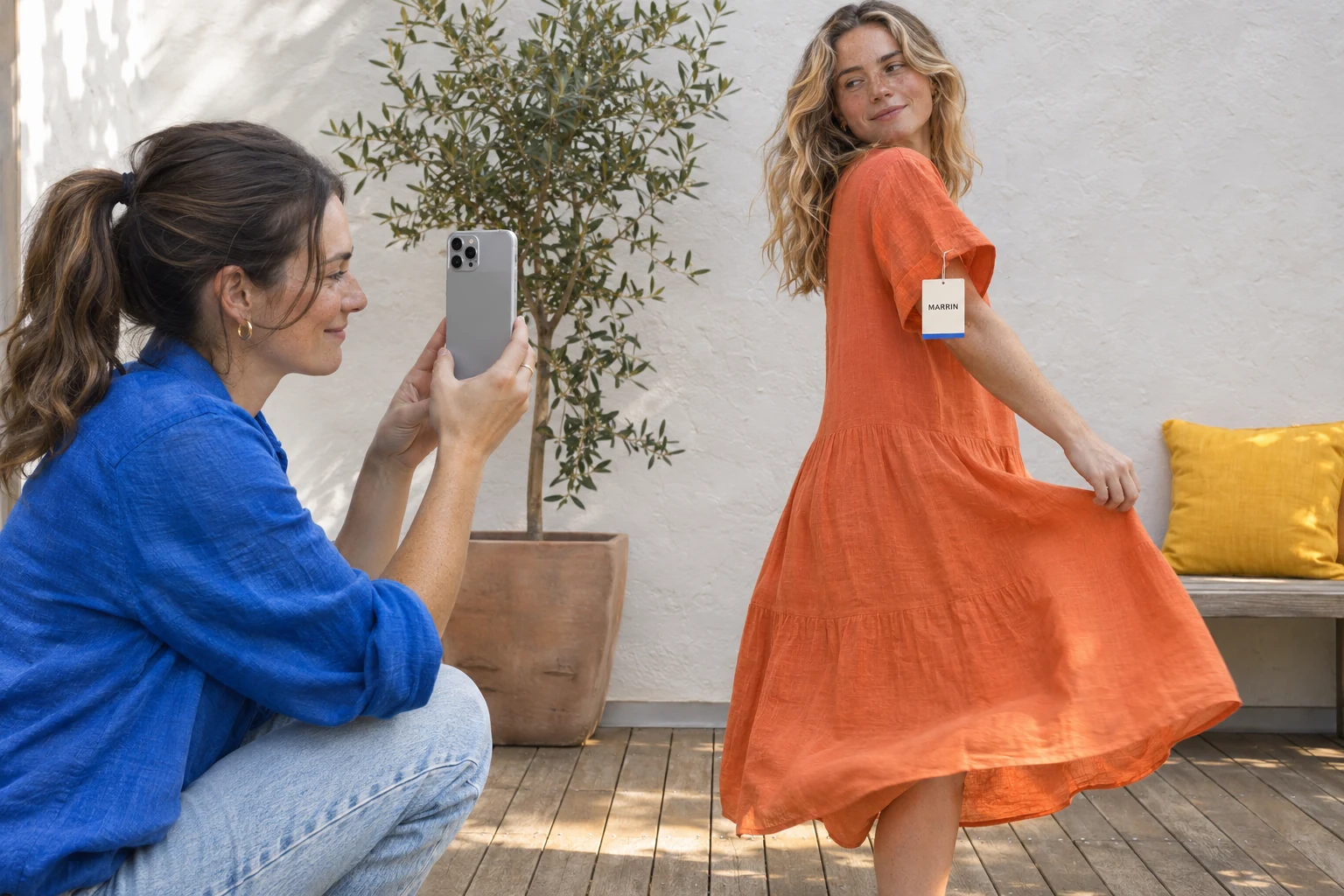
Fashion shoppers want to see how a piece fits and how to wear it before they buy. A product photo on a white background can’t show how a dress moves, how a pair of leggings sits after a squat or how big a pair of earrings looks on a real person. A creator trying it on can.
Fashion also brings problems other categories don’t have. Every gift comes in a size, and ranges change with the seasons. The best try-on videos are often the ones you’ll want to run as ads, so you need the rights to use them.
Below: what to look for in a platform, sizes, styling briefs, content rights, the rules and costs. You can see how campaigns run on our platform for brands. If you want the basics of working with fashion creators first, start with our simple guide to working with fashion influencers.
Key facts
- Sole Sox, an Australian baby footwear brand, activated 127 influencers who made 186 content pieces, with about $10,000 in sales at 6.5x return on ad spend (Referwo case study).
- In findings published in December 2023 from a sweep of 118 influencers, the ACCC found 81% made posts that raised concerns, and not disclosing a brand relationship was the most common issue (ACCC, 2023).
- Fashion influencers had the highest proportion of concerning posts of any sector in that ACCC sweep, which reviewed 26 fashion influencers (ACCC, 2023).
- As a general rule, the first owner of copyright in a work is its creator, so a creator’s photos and videos belong to them unless you agree otherwise (Copyright Agency).
- Referwo has 2,500+ vetted influencers across Australia, New Zealand and the US (Referwo).
Why do fashion and accessories brands use an influencer marketing platform?
Fashion and accessories brands use an influencer marketing platform to get their pieces onto real people at scale, without chasing creators one by one. Instead of DMs and spreadsheets, the platform keeps creator applications, gifting, briefs, content and code sales in one place, so a small team can run more creators per drop.
Doing this by hand works for a handful of creators, but it gets messy as the list grows. You end up with a spreadsheet of names, sizes, addresses and promo codes, a dozen DM threads, and no clear idea which posts sold anything.
A platform fixes the admin, but fashion brands get two extra benefits:
- Fit content you can reuse. Try-on videos answer the questions that stop people buying online: does it run small, is it see-through, how long is it on someone my height. You can use that content on product pages, in emails and in ads, if you have the rights.
- A creator pool that grows each season. Fashion brands launch new pieces all year. Each drop gives your best creators a fresh reason to post.
That second point is why fashion brands love using Referwo to build a community of creators around their brand. Every campaign adds creators to your community. The ones who love your pieces come back for the next drop, post again and bring their followers with them, and every sale through their code stays tracked.
What should a fashion brand look for in an influencer marketing platform?
A fashion brand should look for a platform that makes gifting simple, tracks sales by creator, asks for content usage rights up front and keeps briefs and content together. Check the price and the creator approval limits too, because covering a size range can mean more creators per drop.
Here is what matters most for fashion, and how Referwo handles each one:
| What you need | Why it matters for fashion | How Referwo handles it |
|---|---|---|
| Creators apply to you | You choose who suits your style, size range and audience | Creators apply to your campaign, and you see engagement rate, audience age, gender and country, plus reviews from other brands |
| Easy gifting | Every gift needs a size, a colour and an address | Approved creators order through your store with a single-use code and enter their own address. You still pack and send the order |
| A code per creator | Shows which creators drive sales, not just likes | Each creator gets a unique discount code, with Shopify and WooCommerce tracking on every plan |
| Usage rights | Try-on videos can show fit and movement in your ads | You request content usage rights when you set up the campaign |
| One place for everything | Seasonal drops mean many campaigns a year | Briefs, approvals, content and payouts sit in one dashboard instead of a spreadsheet |
| Room to grow | A size range can mean more creators per drop | Basic allows 50 applications and 15 approvals a month. Standard allows 500 applications and 50 approvals |
You can also browse the Explore page and invite creators you like, or invite creators you found yourself on Instagram or TikTok. They join Referwo for free, apply, and you approve them like anyone else.
For a wider look at prices across Australian platforms, read our guide to what an influencer marketing platform costs in Australia.
How do you handle sizes and fit when gifting fashion to creators?
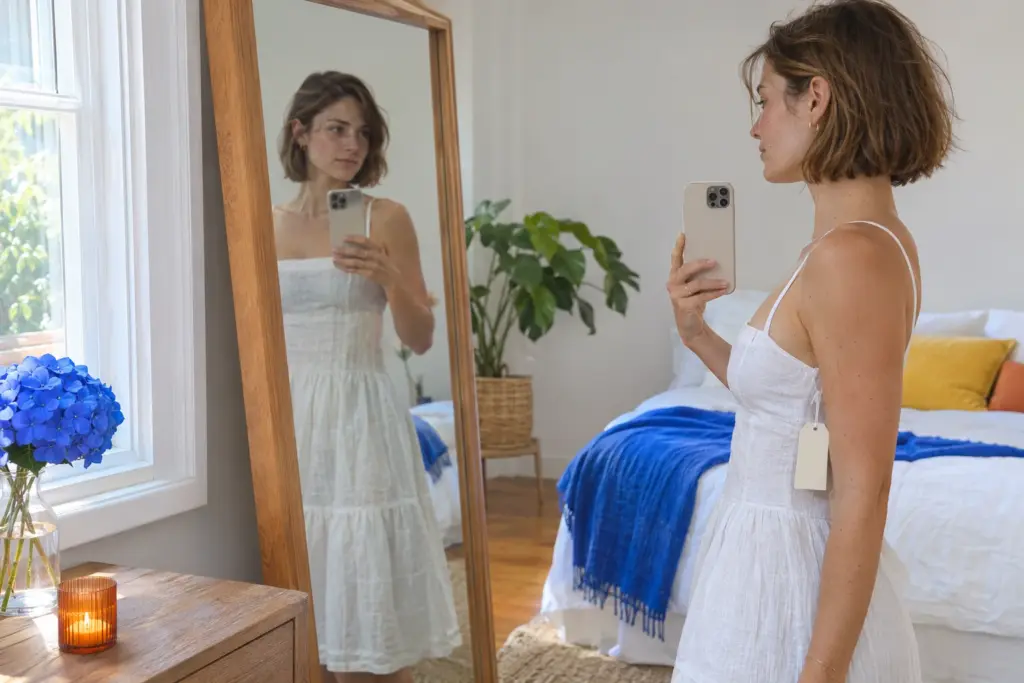
Handle sizes by putting your size guide and fit notes in the brief, asking each creator to confirm their size before they order, and only gifting pieces you have in stock across the sizes you need. Decide before the campaign what happens if a piece doesn’t fit, so a wrong size doesn’t stall the content.
Sizing is where fashion gifting campaigns tend to slow down. A creator orders the wrong size, waits for a swap, and posts late. A few steps prevent most of it:
- Add the size guide to the brief. Include measurements, not just S, M and L, plus fit notes such as “runs small, size up” or “relaxed fit”.
- Ask creators to say their size and height in the post. “I’m 168 cm and wearing a size 10” is the line followers look for. It also helps your own customers pick the right size.
- Gift what you can restock. Pick pieces with good stock across sizes, so a creator in a size 16 isn’t told it’s sold out.
- Set a swap rule. Write in the brief whether you’ll swap a wrong size, who pays the postage and whether the first piece comes back. Sending the right size and skipping the return is quickest, but it costs you a second piece, so price that in.
- Recruit across your size range. If you sell sizes 6 to 20, approve creators who wear sizes across that range. Shoppers trust a try-on more from someone their own size.
Keep the gift in proportion to the ask. One T-shirt doesn’t cover a Reel, a photo set and ad rights. Choose the one or two pieces of content you need most, or add a fee or a higher commission for extra work.
Which fashion creators should you work with?
Work with creators whose everyday outfits already look like your brand, whose followers mostly live where you ship, and who post content you’d be happy to run as an ad. For most Australian fashion brands, creators with 2,000 to 50,000 followers are a practical starting point. Follower count is only a filter, though. Judge each creator on audience fit, real comments and past content.
Match the creator to the category, not just the word “fashion”:
- Womenswear and menswear: outfit-of-the-day, work-wear and capsule wardrobe creators.
- Activewear: gym, running, pilates and yoga creators who film their workouts.
- Shoes: creators who post full-length outfits and street style, so the shoes are in shot.
- Jewellery, bags and sunglasses: get-ready-with-me and detail-focused creators who film close-ups.
- Kids’ clothing and shoes: parent creators who post family outings and day-in-the-life content.
Two Australian checks matter for fashion. First, seasons. Australia’s winter is the US summer, so a coat campaign in June needs creators whose followers are in Australia right now. Referwo shows each creator’s audience by country before you approve them. Second, climate. A Brisbane creator and a Hobart creator dress very differently in the same month.
Before you approve anyone, scroll their last 10 posts. Look for real comments, outfits that suit your brand and a mix of brands rather than back-to-back ads. Our guide on how to vet influencers before you work with them covers fake followers and other red flags.
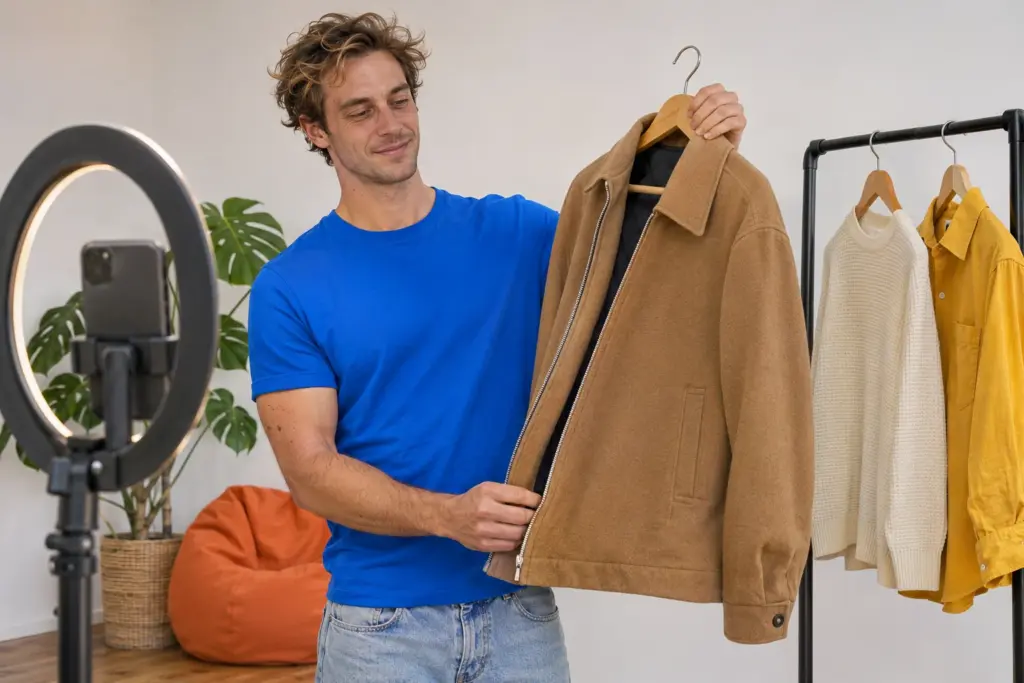
What should a fashion styling brief ask creators to film?
A fashion styling brief should ask for short vertical videos that show the piece on, moving, and styled in a real outfit, with the size worn, the discount code and the ad label in the post. Name the hero piece, the look you want and the format you need, so the content is usable for your site and ads.
| Content format | Works best for | What to put in the brief |
|---|---|---|
| Try-on and fit check | Dresses, jeans, swimwear | Front, side and back views, size worn and height, honest fit notes |
| Three ways to style it | Basics, jackets, shoes | One hero piece styled three ways with the creator’s own wardrobe |
| Get ready with me | Jewellery, bags, sunglasses | Close-ups of the detail, how it looks with an outfit |
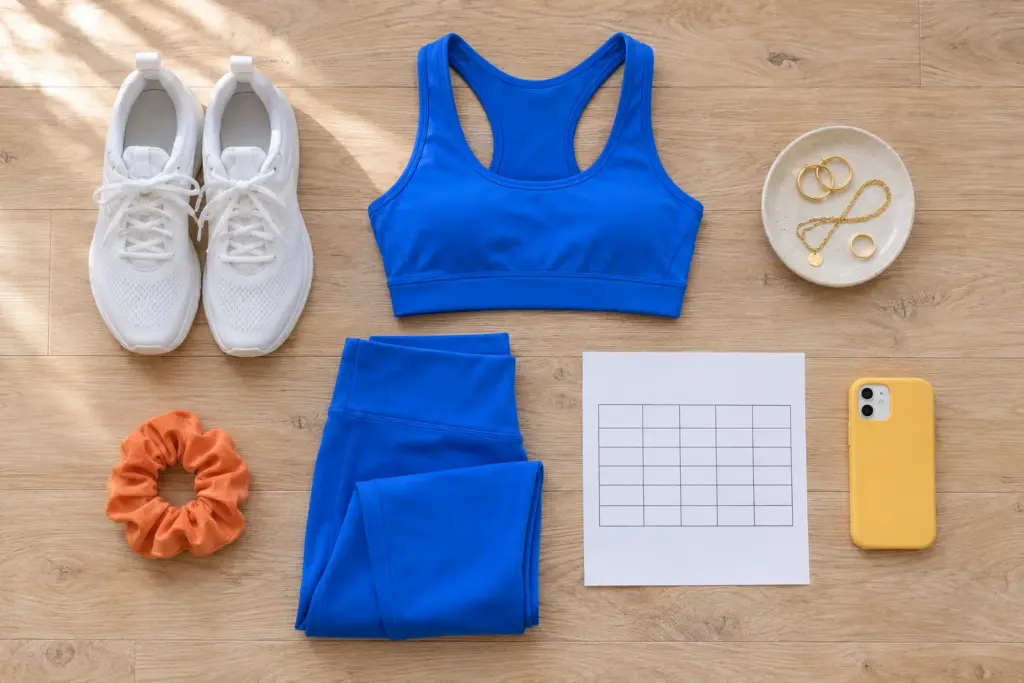
| Activewear in motion | Leggings, sports bras, shorts | A squat, a stretch or a run, so followers see how it moves |
| Outfit transition | New drops and launches | Before and after outfit change, short and fast |
| Unboxing | Gift-worthy pieces, kids’ clothes | Packaging, first reaction, the discount code on screen |
Be specific about format. If you want content for Meta or TikTok ads, write “vertical Reels or TikToks only” in the brief. If you leave it open, you may get photos when you needed video. Also ask creators to share their draft before they post, so you can check the piece is shown well, the code is right and the ad label is there.
Try it with your next drop: Pick one hero piece, write a brief with your size guide and two content formats, and set a posting deadline. Compare the Basic and Standard plans, then publish the campaign during the 14-day free trial and see which creators apply.
Who owns the content, and can you use it in ads?
The creator usually owns the photos and videos they make, so you need their agreement before you reuse content in ads, on your website or in emails. Agree in writing where you can use it, whether as a paid ad, for how long and whether you can edit it. On Referwo, you request usage rights when you set up the campaign.
According to the Copyright Agency, as a general rule the first owner of copyright in a work is its creator. Gifting a dress doesn’t change that. A creator who posts a try-on of your dress still owns the video.
Spell out in the brief:
- Where the content can go: your Instagram and TikTok, your website, email, or paid ads.
- How long: for example, 3 months, 12 months or ongoing.
- Edits: whether you can crop it, add captions or cut it into shorter clips.
- Paid ads from the creator’s account: if you want to run the post as a partnership ad from the creator’s handle, ask for that as a separate item.
Usage rights for paid ads are a bigger ask than an organic post, so expect to offer a fee or a higher commission for them. Talk to a lawyer if you need a formal licence agreement.
What are the rules for fashion influencer posts in Australia?
A creator who posts about your piece in return for free product, payment or commission must clearly label the post as advertising under Australian Consumer Law, for example with #ad. Claims in the post must be true, whether about fabric, fit, origin or sun protection. The brand can be responsible too, so check posts before they go live.
Disclosure is a real gap in fashion. In findings published in December 2023 from a sweep of 118 influencers, the ACCC found 81% made posts that raised concerns, and not disclosing a brand relationship was the most common issue. The ACCC’s sweep report named fashion as the sector with the highest proportion of concerning posts, from 26 fashion influencers reviewed. Our guide to influencer gifting rules in Australia covers the labels that work.
Watch these claims in fashion briefs:
- Fabric and origin: “100% linen”, “made in Australia” or “sustainable” must be true and backed up. Give creators your exact wording.
- Sizing: “true to size” should match what most customers tell you.
- Sunglasses: under the mandatory standard for sunglasses and fashion spectacles, every pair must carry a label with its lens category. Category 0 and 1 lenses are fashion spectacles, not sunglasses, so a creator shouldn’t call them sunglasses or talk up sun protection.
This section is general information, not legal advice.
How does a fashion campaign work on Referwo?
A fashion campaign on Referwo runs in six steps, from publishing the brief to tracking each creator’s sales. Creators apply, you approve the ones who suit your brand, they order the piece through your store, post their content and sell through their own discount code. A small team can run dozens of creators per drop this way.
- Publish the campaign. Describe the piece, the creator you want, your size guide, the content formats, the posting deadline and the usage rights you’re asking for.
- Approve creators. Check each creator’s profile, audience country, past content and reviews from other brands. You can also invite creators from the Explore page or creators you found yourself.
- Send the piece. Approved creators order through your store with a single-use code and enter their own address. You still pack and send the order.
- Check drafts and collect content. Ask creators to share drafts first. Then they post and share their content in the platform, and you can follow up on anyone who misses a deadline.
- Reuse the best content. Save the top try-ons for your product pages, emails and ads, within the rights you agreed.
- Track sales. Each sale through a creator’s code shows up against that creator, and the creator earns the commission you set.
What did Sole Sox get from its campaigns?
We don’t have a published case study from a fashion label yet. The closest match is Sole Sox, an Australian brand that makes soft sole baby shoes. Sole Sox is a baby footwear brand, not a fashion label, but it gifted a wearable product to parent creators in the same way a fashion brand would.
Sole Sox activated 127 influencers who made 186 content pieces across posts, Reels and Stories. The campaigns reached 202,000+ impressions, 121,000+ views and 115,000+ engagements, and brought in about $10,000 in sales at 6.5x return on ad spend (ROAS) and 350% return on investment (ROI). Read the full Sole Sox case study or browse all Referwo case studies.
These are past results from one brand, not a promise of what your campaign will do. Code sales also don’t capture every sale a creator influences, because some shoppers buy without the code.
What does an influencer marketing platform cost for a fashion brand?
On Referwo, Basic costs US$69 a month and Standard costs US$99 a month, both with a 14-day free trial. Fully managed Premium costs US$399 a month and starts with a demo. Brands pay no commission to Referwo on sales. Your other costs are the pieces you gift, postage, the customer discount, the creator commission you set and any content fees.
| Plan | Price | Free trial | Best for |
|---|---|---|---|
| Basic | US$69 a month | 14 days | Testing one drop, up to 3 active campaigns and 15 creator approvals a month |
| Standard | US$99 a month | 14 days | Regular drops across a size range, up to 9 active campaigns and 50 creator approvals a month |
| Premium | US$399 a month | No, starts with a demo | Brands that want the Referwo team to run campaigns |
Creators pay a 15% platform fee on what they earn through Referwo, and they’re paid by bank transfer through Stripe or by PayPal. Brands don’t pay that fee. All plans are monthly with no lock-in contract. A card is needed to start the free trial.
Premium suits fashion brands that would rather hand the work over. The Referwo team writes and publishes the brief, filters and vets the creators who apply, makes sure each creator gets their piece and checks the content matches the brief.
A worked example
Here is a simple example with made-up numbers. Say a top costs you A$18 to make, postage is A$10, and you approve 25 creators on Standard across sizes 6 to 18. The upfront gifting cost is 25 × A$28 = A$700, plus the US$99 plan (convert it at your bank’s rate). If you set a 10% commission on code sales, you pay creators only when their code sells.
To judge the result, add up the gifting cost, the plan, the commission and any fees. Divide that by the number of code orders that weren’t returned or refunded to get a cost per code-attributed order. Compare it with your margin per order: the discounted sale price minus the cost of the piece, packing and shipping. Leave the campaign costs out of that margin, because they’re already in the cost per order. Give it a month or two, because shipping, swaps and posting take time, then re-invite the creators whose codes sold.
Frequently asked questions
What is the best influencer marketing platform for fashion brands in Australia?
The best platform depends on your size and goals. A small or growing fashion brand usually needs creators who apply, easy gifting, a discount code per creator and a way to ask for ad rights. The price also has to fit the budget. Referwo covers these from US$69 a month with a 14-day free trial. You can request usage rights, which creators then agree to. Referwo also has 2,500+ vetted influencers across Australia, New Zealand and the US.
Do influencers have to disclose gifted clothes?
Yes. Under Australian Consumer Law, a creator who posts about a piece they got for free, were paid for or earn commission on should clearly disclose that the post is advertising. #ad at the start of the caption is one clear option. In findings published in December 2023, the ACCC found fashion influencers had the highest proportion of concerning posts of any sector it reviewed.
What happens if a gifted piece doesn’t fit the creator?
If a gifted piece doesn’t fit, follow the swap rule you set in the campaign brief. That rule should say whether you send a new size, who pays the postage and whether the first piece comes back. To avoid swaps, include your size guide with measurements and fit notes, ask creators to confirm their size before they order, and only gift pieces with good stock across sizes.
Can I use an influencer’s try-on video in my ads?
Only with the creator’s agreement. As a general rule, the creator owns the copyright in content they make, even if you gifted the piece. Agree in writing where the video can run, for how long and whether you can edit it. On Referwo, you request usage rights when you set up the campaign.
How do you track sales from fashion influencers?
Give every creator a unique discount code and connect your Shopify or WooCommerce store. Each sale through a code is credited to that creator, so you can compare code-attributed sales by creator. Sole Sox, an Australian baby footwear brand, used creator codes on Referwo to track about $10,000 in sales at 6.5x return on ad spend.
Plan your next drop with creators
Fashion sells when shoppers can see a piece on someone like them. Brief creators with your size guide, ask for the formats you’ll reuse, agree the rights up front and keep working with the creators whose codes sell. If you’re ready to put your next drop in front of creators who apply to you, start your 14-day free Referwo trial.
Sources
- Referwo, Sole Sox case study: https://referwo.com/case-studies/sole-sox
- ACCC, media release, 7 December 2023: https://www.accc.gov.au/media-release/scrutiny-of-influencers-and-businesses-for-misleading-advertising-and-online-reviews-continues
- ACCC, Social media influencer testimonials and endorsements, December 2023: https://www.accc.gov.au/system/files/social-media-influencer-testimonials.pdf
- Copyright Agency, Ownership: https://www.copyright.com.au/about-copyright/ownership/
- Product Safety Australia, Sunglasses and fashion spectacles mandatory standard: https://www.productsafety.gov.au/standards/sunglasses-fashion-spectacles