

By Ewen Ling, Co-Founder, Referwo | Ecommerce Growth Strategist
Last updated: October 2026
Quick answer: To build a brand community with influencers, start small and repeat. Run a micro-influencer campaign every month and invite back the creators who post well and drive sales. Give your best creators affiliate codes so they earn commission on the sales they bring in. On Referwo, Cherub Baby worked with 119 creators and tracked $34,855 in sales.
A brand community is a group of people who know your product, like it and keep talking about it. With micro-influencers, you build that community one campaign at a time. Each campaign adds creators who have tried your product. The ones who love it come back, post again and bring their followers with them.
If you have run influencer campaigns before, you may know the pattern: send product, get a handful of posts, then start again from zero next time. This guide shows a different way: a simple creator ladder, a 90-day plan and the four numbers that tell you the community is growing.
Key facts
- 52.83% of brands surveyed plan to expand their work with micro-influencers in 2026 (Influencer Marketing Hub, 2026).
- 51.43% of brands surveyed plan to expand their work with nano influencers in 2026 (Influencer Marketing Hub, 2026).
- A study of 802 Instagram campaigns found engagement peaks at a moderate follower count, not the highest (Journal of Marketing, 2022).
- Promo and discount codes are the most used way to measure influencer results, chosen by 45.9% of respondents (Influencer Marketing Hub, 2026).
- Zuluz Skincare worked with 209 approved creators who produced 304 pieces of content and 3,500+ meaningful comments (Referwo case study).
What is a brand community built with micro-influencers?
A brand community built with micro-influencers is a growing pool of smaller creators who have tried your product, posted about it and come back for more campaigns. Their followers see your brand again and again from people they trust. You also build a library of user-generated content (UGC) and a record of which creators drive sales.
Brand community: in the words of Harvard Business Review, “ardent consumers organized around the lifestyle, activities, and ethos of the brand” (Fournier and Lee, 2009).
Micro-influencer: a creator with a smaller, engaged following, usually in a clear niche such as parenting, beauty, pets or food. Many are real customers of the products they post about.
Here is how a creator community differs from a one-off campaign:
| One-off campaign | Creator community | |
|---|---|---|
| Creators | New group each time | Same core creators, plus new ones each month |
| Content | Posts bunched around one campaign | A steady flow of posts and Reels, planned month by month |
| Trust | Followers see your brand once | Followers see your brand repeatedly from the same creator |
| Data | Each campaign is judged on its own | Past results tell you which creators sell, so you invite them back first |
| Cost | You start from scratch | Gifting and briefing get faster as creators already know you |
Why do micro-influencers suit community building?
Micro-influencers suit community building because their followers feel close to them, and closeness is what makes repeat posts work. Peer-reviewed research in the Journal of Marketing found engagement with sponsored posts rises with follower count only up to a point, then falls. Gifted and affiliate campaigns can suit smaller creators, so you can agree terms that fit their work and your budget.
The study, by Wies, Bleier and Edeling, looked at 802 Instagram campaigns with more than 1,700 influencers. It found an inverted U-shaped link between follower count and engagement (American Marketing Association, 2022). A bigger audience means more reach, but followers feel a weaker personal tie, so fewer of them engage.
Brands are moving in the same direction. According to the Influencer Marketing Hub Benchmark Report 2026, 52.83% of brands surveyed plan to increase or start work with micro-influencers this year, and 51.43% plan to do the same with nano influencers.
Budget matters too. On gifted and affiliate terms, you pay commission only on sales creators bring in. Budget for your plan, the product, delivery, the discount on each code, any commission or paid fees, and your team’s time. Hannah & Henry showed what gifted-only can do: 119 creators on gifted terms drove $44,000+ in sales at 5.2x return on ad spend (ROAS). That is a past result, not a promise.
If you are still at the finding stage, our guide on how to find micro-influencers who fit your brand covers where to look and what to check first.
How do you build a creator community, step by step?
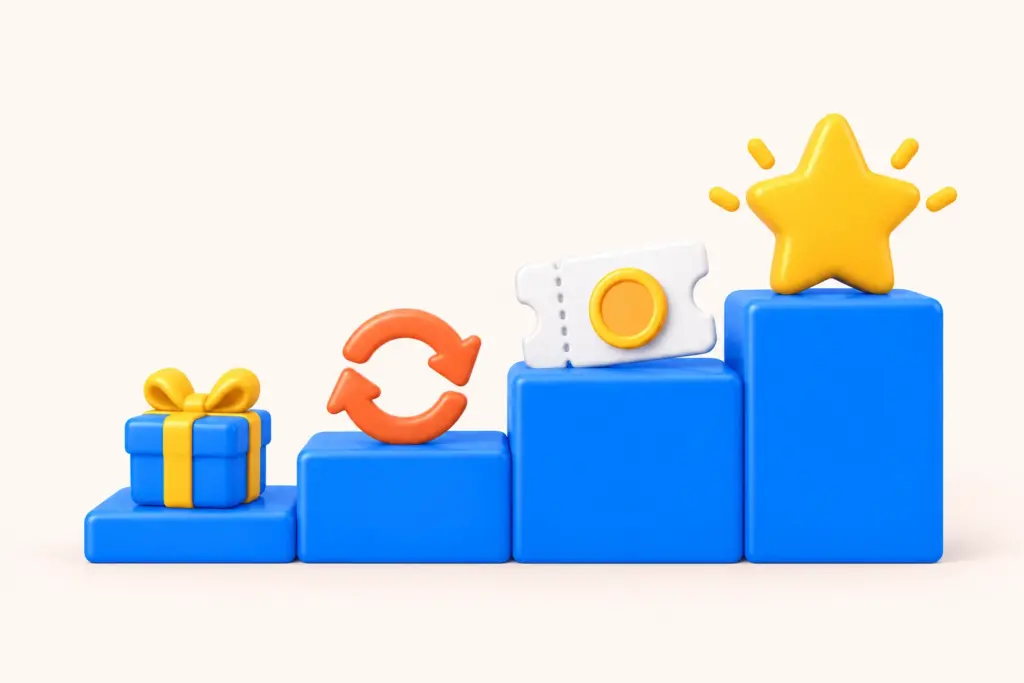
You build a creator community in four steps: open the door with small gifted campaigns, invite back the creators who deliver, move your best sellers onto affiliate codes, and keep everyone posting with a monthly rhythm. You start with new creators, then invite the strongest into repeat and affiliate campaigns. Tracking codes tell you who the strongest are.
Step 1: Open the door with a gifted campaign
Start with a gifted campaign for one hero product. Ask for one clear piece of content, such as a Reel showing the product in use. On Referwo, creators apply to you, often on the same day, and you approve the ones whose audience fits. Approved creators order their free product from your store with a single-use code.
Write the brief once and reuse it. Our guide to running gifted influencer campaigns in Australia covers what to offer and what to ask for.
Step 2: Invite back the creators who deliver
After 30 days, sort your creators into three groups:
- Creators who posted on time, followed the brief and got good engagement.
- Creators who posted but missed the brief.
- Creators who did not post.
Invite group 1 to your next campaign first. Give group 2 a clearer brief. Leave group 3 out. On Referwo you can flag creators who miss deadlines or post off-brand content, and repeated flags can lead to a warning or removal from the platform.
Step 3: Move your best sellers onto affiliate codes
Each creator on Referwo gets a unique discount code, so you can see who drove sales. Offer your top sellers an ongoing affiliate commission on sales through their code. They earn when their posts lead to sales, which gives them a reason to keep posting. Creators can also feature your code on their Dealshub storefront, which works like Linktree for discount codes.
A creator with their own code and a commission has a stake in your brand. For more on keeping creators close, see our guide to building long-term influencer partnerships.
Step 4: Keep a monthly rhythm
Run at least one campaign a month, even a small one. New products, seasonal moments and restocks are all reasons to brief your community again. Each month, add a few new creators at step 1 so the community keeps growing.
Between campaigns, keep in touch without asking for more posts. Reply to creator messages quickly, reshare their best content on your own channels with credit, and ask what they thought of the product. Tell your core creators first when a new product is coming.
Ready to start your community? Referwo’s Basic plan is US$69 a month and Standard is US$99 a month, both with a 14-day free trial. Brands pay no commission to Referwo on influencer-driven sales.
What does a 90-day community plan look like?
A 90-day community plan runs one gifted campaign in month one, a repeat campaign with your best creators plus new faces in month two, and an affiliate offer for your top sellers in month three. By day 90 you should know who your core creators are, which content works and which codes sell.
Here is an example plan for a brand on Referwo’s Standard plan (US$99 a month, with a 14-day free trial), which allows 9 active campaigns and 50 creator approvals a month. The creator numbers are an assumed example, not a benchmark.
| Month | What you run | Creators approved | What you learn |
|---|---|---|---|
| 1 | Gifted campaign for one hero product | 20 new | Who posts on time and follows the brief |
| 2 | Repeat gifted campaign for a second product | Best creators from month 1 plus 20 new, up to 50 in total | Which creators earn the most engagement twice in a row |
| 3 | Affiliate campaign with commission for top sellers, plus one new gifted campaign | Top sellers plus new creators, up to 50 approvals in total | Which codes drive sales, and what commission keeps creators posting |
Standard’s 50 approvals a month leave room to grow, and many brands run 20 to 50 creators a month on Referwo without adding staff. If you are just starting, Basic (US$69 a month) allows 3 active campaigns and 15 approvals a month, so you could run the same plan at a smaller size.
A common mistake in this plan is changing the product every month without a reason. Creators post best about products they actually use. Give your core creators a reason to come back, such as a new flavour, a new colour or a restock, rather than a random item.
How do you turn customers into creators?
You turn customers into creators by asking the people who already love your product to post about it. Look for customers who tag you, leave reviews or message you about the product. Some of them will have small, engaged followings in your niche. Invite them to join Referwo (free to join, with a 15% platform fee on creator earnings) and apply to your next campaign.
Customers who become creators are often your most believable voices. They bought the product with their own money before you ever sent them anything. Their posts tend to read like a friend’s recommendation.
Places to find them:
- People who tag your brand or use your hashtag on Instagram and TikTok.
- Customers who leave detailed product reviews on your store.
- Followers who comment often on your own posts.
- Customers who email or message you with photos of the product in use.
Creators need to connect their social accounts before they apply on Referwo, so you can check their engagement rate, audience age, gender and country before you approve them.
How do you know your creator community is working?
Your creator community is working when the same creators keep coming back, content keeps arriving every month, and a growing share of sales comes through creator codes. Track four numbers each month: returning creators, content pieces, sales per creator code and new creators added. These numbers come from your own campaigns, so they show your community, not an average.
| Number to track | How to work it out | What it tells you |
|---|---|---|
| Returning creators | Creators this month who also worked with you before, as a count and as a share of all creators this month | Whether the creators you invite back say yes (also note how many you invited) |
| Content pieces | Posts, stories and Reels delivered this month | Whether your UGC library is growing |
| Sales per creator code | Tracked sales for each unique code | Who your top sellers are |
| New creators added | First-time approvals this month | Whether the community keeps growing |
Codes are the simplest way to measure this. Influencer Marketing Hub found promo and discount codes are the most used measurement tool, chosen by 45.9% of respondents in its 2026 report. On Referwo, every creator gets a unique code on every plan, including Basic.
The case studies show what a large community can produce. Cherub Baby worked with 119 creators who made 180+ posts, stories and Reels, with 140,000+ engagements and $34,855 in tracked sales at 11.6x ROAS. Zuluz Skincare approved 209 creators who produced 304 pieces of content and 3,500+ meaningful comments. These are past results, not a promise of what any brand will get. You can see more on the Referwo case studies page.
What mistakes stop a creator community from growing?
The most common mistakes are going quiet between campaigns, treating creators as a one-time cost, writing vague briefs and skipping disclosure. Each one makes creators less likely to come back or puts your brand at risk. The fix for most of them is a regular campaign rhythm and a clear, reusable brief.
- Going quiet. Long gaps between campaigns make creators less likely to come back.
- Paying everyone the same. Your top sellers should earn more through affiliate commission.
- Vague briefs. If you need video for your ads, ask for Reels in the brief, and request content usage rights at campaign setup so you can reuse the content.
- Asking for too much. Keep the request in line with the product’s value, and agree on deliverables before you approve creators.
- Skipping disclosure. Gifted posts still need a clear label such as #ad.
Disclosure is not optional in Australia. In its 2023 sweep, the Australian Competition and Consumer Commission (ACCC) found 81% of the 118 influencers it reviewed had posts raising concerns, most often for not disclosing brand relationships. Our guide to influencer gifting rules in Australia has a checklist you can paste into every brief.
Frequently asked questions
How many micro-influencers do you need to build a brand community?
You can start a brand community with 10 to 15 micro-influencers in your first campaign. What matters more than the starting number is adding new creators every month and inviting back the ones who deliver. Referwo’s Basic plan allows 15 creator approvals a month, and Standard allows 50, so a small brand can grow its community steadily without extra staff.
Is gifting enough to build a creator community?
Gifting is enough to start a creator community, and it is an affordable way to find creators who genuinely like your product, because your main costs are the product and delivery. To keep your best creators posting, add an affiliate commission so they earn commission on eligible sales through their code. Hannah & Henry worked with 119 creators on gifted terms and drove $44,000+ in sales at 5.2x ROAS, a past result rather than a promise.
What is the difference between a brand community and an ambassador program?
A brand community is the whole pool of creators and customers who post about your product. An ambassador program is a more formal layer on top, usually your most loyal creators on ongoing terms such as affiliate commission or regular gifting. Most small brands build the community first, then pick ambassadors from the creators who perform best over several campaigns.
How do you keep micro-influencers coming back?
Keep micro-influencers coming back by running campaigns regularly, sending products they actually want to use, writing clear briefs and paying your top sellers an affiliate commission. Reply to their messages quickly and invite your best creators to new campaigns first. On Referwo, every creator gets a unique code, so you can see who sells and reward them.
How much does it cost to build a creator community on Referwo?
Referwo’s self-serve plans cost US$69 a month for Basic and US$99 a month for Standard, both with a 14-day free trial and no lock-in contract. The fully managed Premium plan costs US$399 a month. There is no free trial on that plan; it starts with a demo call. Brands pay no commission to Referwo on influencer-driven sales, but you still pay for the products you gift and any commissions you set for creators.
The bottom line
A brand community is built in small steps that repeat: one campaign, the best creators invited back, top sellers earning commission, new creators every month. The creators who love your product keep posting about it, and every sale through their codes stays tracked. Referwo connects you with 2,500+ vetted creators across Australia, New Zealand and the US, and you can see how Referwo works for e-commerce brands before you start. If you want creators who keep posting about you month after month, start your 14-day free trial and run your first gifted campaign.
Sources
- Influencer Marketing Hub, Influencer Marketing Benchmark Report 2026 (May 2026)
- American Marketing Association, Journal of Marketing press release: Finding Goldilocks influencers (Wies, Bleier and Edeling) (October 2022)
- Harvard Business Review, Getting Brand Communities Right (Fournier and Lee) (April 2009)
- ACCC, Scrutiny of influencers and businesses for misleading advertising and online reviews continues (December 2023)