
By Ewen Ling, Co-Founder, Referwo | Ecommerce Growth Strategist
Last updated: November 2026
Quick answer: Influencer marketing for food and beverage brands in Australia means running gifted, affiliate or paid campaigns with recipe, lunchbox, pantry and fitness food creators. Creators cook or taste your product on camera, and each one gets a unique discount code so you can track their sales. On Referwo, plans start at US$69 a month with a 14-day free trial.
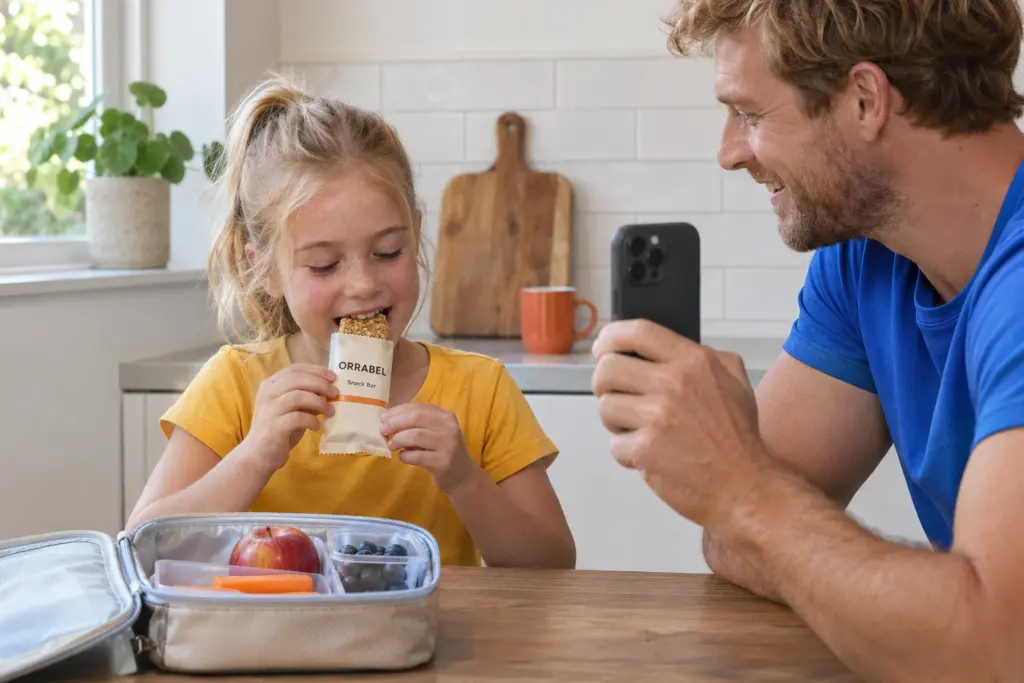
People can’t taste your sauce, snack or cold brew through a screen. A creator can. A home cook can show your pasta sauce in a weeknight dinner. A parent can pack your snack bar into a lunchbox. Followers see how they might use the product in their own week.
Food and drink also bring problems other categories don’t have. Product can melt, go stale or break in the post, and creators can’t say whatever they like about nutrition. Snacks aimed at kids and alcohol both come with extra advertising rules.
This guide covers which creators to pick, how to gift food so it arrives in good shape, what creators can and can’t claim, what to put in the brief and what it costs. You can see how campaigns run on our platform for brands, and how Morlife, an Australian health food brand, tracked a sales lift with creator discount codes.
Key facts
- Morlife, an Australian health food brand, saw an estimated sales increase of $10,800+ compared with the same period the year before, tracked through creator discount codes (Referwo case study).
- Food businesses must follow Standard 1.2.7 of the Food Standards Code for nutrition content claims and health claims on labels, in advertisements and in endorsements (Getting Your Claims Right, 2018).
- A food can only make a nutrition content claim about protein if it has at least 5 g of protein per serving, and “good source of protein” needs at least 10 g (Getting Your Claims Right, 2018).
- In findings published in December 2023 from a sweep of 118 influencers, the ACCC found 81% made posts that raised concerns, and not disclosing a brand relationship was the most common issue (ACCC, 2023).
- Referwo has 2,500+ vetted influencers across Australia, New Zealand and the US (Referwo).
Why do food and beverage brands use influencer marketing?
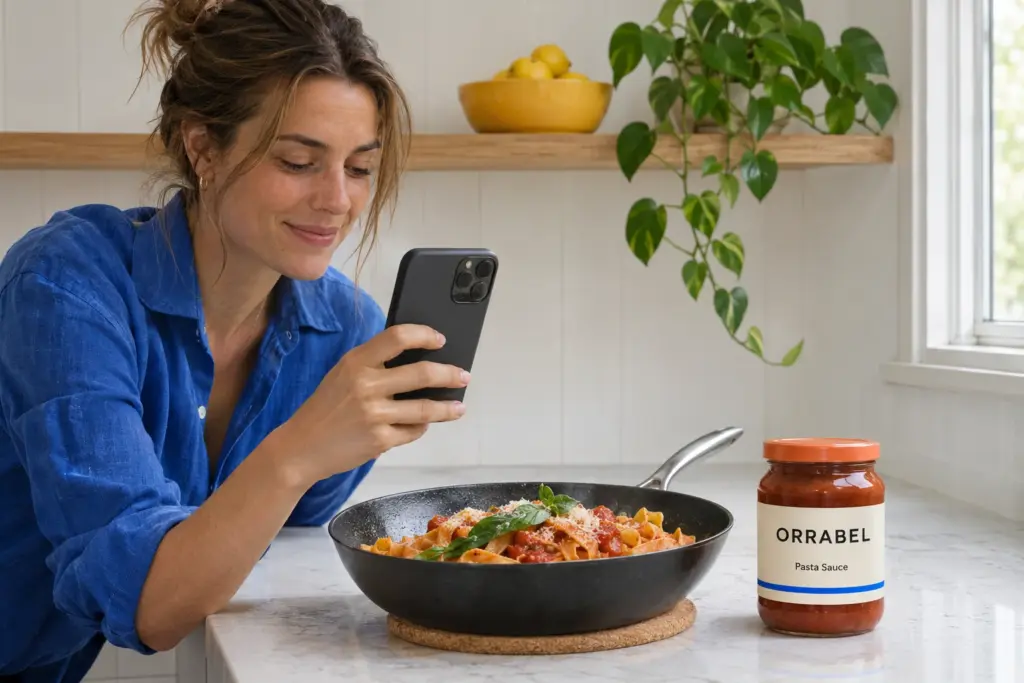
Food and beverage brands use influencer marketing because shoppers want to see a product being cooked, poured or eaten by someone like them before they buy. A creator’s recipe, lunchbox or taste test answers the questions a product photo can’t: what it tastes like, how to use it and whether the family will eat it.
Food suits creator content well. A recipe or a weeknight dinner idea is something followers save and come back to, so your product is part of the help rather than an interruption.
- A snack or a sauce costs a few dollars, so a creator’s recommendation and a discount code can be enough for a follower to try it.
- A pantry staple that lands well gets bought again and again, so one good post can lead to repeat orders.
Morlife’s case study page describes creators sharing recipes and lifestyle tips around the brand’s seasonal superfood blends. Any food brand can borrow that idea: give creators a dish to cook or a moment to film with the product.
Food is also where brands love using Referwo to build a community of creators around their brand. Every campaign adds creators to your community. The ones who love your product come back for the next flavour or the next season, post again and bring their followers with them, and every sale through their code stays tracked.
Which food and drink creators should you work with?
Work with creators who already cook, pack or drink products like yours in their everyday content, whose followers mostly live where you sell, and whose comments show real people asking for recipes. Match the creator to how your product is used: a pasta sauce suits a home cook, a muesli bar suits a lunchbox creator.
Here is how common Australian food and drink products line up with creator types:
| Your product | Creator type to look for | Content that fits |
|---|---|---|
| Sauces, spices, meal bases | Home cooks and weeknight dinner creators | A full recipe from start to plate |
| Snacks, muesli bars, kids’ food | Lunchbox and family creators | Packing the lunchbox, kids’ first taste |
| Pantry staples, baking mixes | Pantry, budget and meal prep creators | A pantry restock or a bake-along |
| Protein snacks, sports drinks | Fitness food and gym creators | What I eat in a day, a post-workout snack |
| Coffee, tea, soft drinks, kombucha | Morning routine and café-style creators | Making the drink at home, a taste test |
| Wine, beer, spirits | Adult lifestyle and entertaining creators aged 25 or over | A cheese board or dinner party, served responsibly |
Location matters for food more than most products. Approve creators in places you can ship to, and check that their followers are mostly in Australia if you only sell here. Referwo shows each creator’s audience by age, gender and country before you approve them, and each application shows reviews from other brands that have worked with that creator.
Before you approve anyone, scroll their last 10 posts. Look for real comments (“what brand is that sauce?”), food that looks like something your buyers would eat and a mix of content rather than back-to-back ads. Our guide on how to vet influencers before you work with them covers fake followers and other red flags.
You can also browse the Explore page and invite creators you like, or invite food creators you found yourself on Instagram or TikTok. They join Referwo for free, apply, and you approve them like anyone else.
How do you gift food and drink to creators without it spoiling?
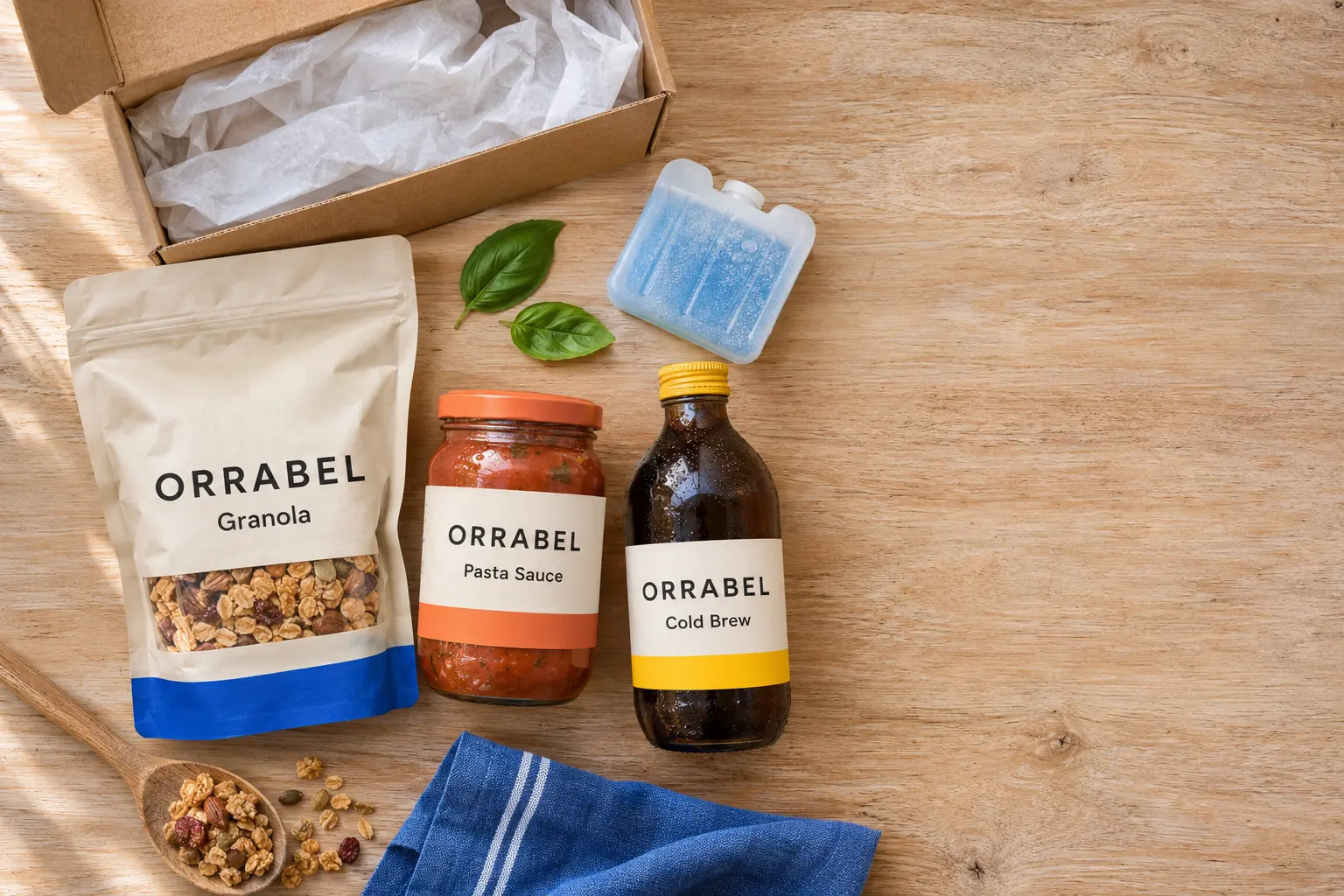
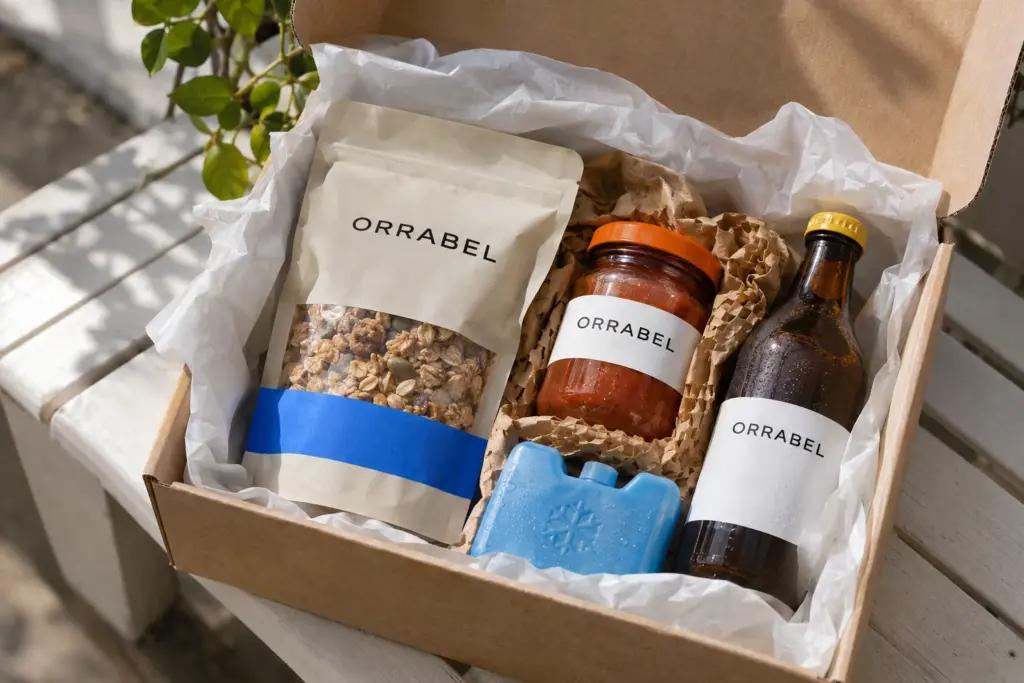
Gift food that travels well, pack it for the trip and set a posting window that fits its shelf life. Shelf-stable products such as snacks, sauces, coffee and baking mixes are the easiest to start with. Chilled, frozen or fragile products need faster postage, insulated packing or a local-only campaign.
On Referwo, approved creators order their gifted product through your store with a single-use code and enter their own address. You still pick, pack and send the order, so the packing choices stay with you. A few habits keep food arriving in good shape:
- Tell creators what to order. Name the products in the brief, so a creator doesn’t pick something that won’t survive the post.
- Check the best-before date before you pack. Send stock with enough life left for the creator to film, post and still have product to taste.
- Pack for heat and knocks. Chocolate and gummies can melt in a hot van. Glass bottles and jars need padding. In summer, consider express postage or a cooler pack.
- Keep chilled and frozen products cold the whole way. FSANZ advice on transporting food says to keep cold food at 5°C or colder and frozen food frozen hard, using insulated containers with ice bricks and keeping travel time short. Only gift chilled products to creators you can reach quickly, and ask them to be home to put the parcel straight in the fridge or freezer.
- Put allergen and storage notes in the box. Keep the full label on every product, and add a short card with notes such as “contains peanuts” or “refrigerate after opening”. That helps a creator check the product suits their family before they serve it on camera.
- Set the posting window. Ask creators to post within a set number of days of delivery, so the product shown is fresh.
Keep the gift in proportion to the ask. A single A$8 jar doesn’t cover a recipe Reel, a photo set and ad rights. A bundle of three or four products, or a fee for extra content, is a fairer swap. For more on the gifting basics, read our guide to running gifted influencer campaigns in Australia.
What can food creators say about your product?
Creators can share honest opinions about taste, texture and how they use your product, but nutrition and health claims must follow the Food Standards Code, and every paid or gifted post must be clearly labelled as advertising. Give creators your exact approved wording for any claim, and ask them not to add their own.
Nutrition content claims
Nutrition content claim: a statement about how much of a nutrient or substance a food has, such as “high in protein”, “low in fat” or “good source of calcium”.
Under Standard 1.2.7, a food has to meet set amounts before it can make these claims. According to Getting Your Claims Right (2018), the national guide to the claims standard, a protein claim needs at least 5 g of protein per serving, and “good source of protein” needs at least 10 g. The same guide says the standard covers claims in advertisements and endorsements, not just labels. A creator calling your bar “packed with protein” is still a claim about your food.
Health claims
Health claim: a statement that links a food to a health effect, such as “calcium for healthy bones”. FSANZ says health claims are only allowed on foods that meet the Nutrient Profiling Scoring Criterion, so foods higher in saturated fat, sugar or salt can’t carry them.
Health claims have more rules than taste claims. If your brand sells superfoods, protein powders or supplements, our guide to influencer marketing for health and wellness brands explains high level and general level health claims and the TGA rules. For everyday food and drink, the safest brief is simple: creators talk about taste and use, and only repeat the claims already on your label.
Advertising codes and disclosure
The AANA Food & Beverages Advertising Code (November 2021) says food ads must not mislead, must not encourage excess eating through portion sizes out of proportion to the setting, and must not show products that aren’t meal replacements as meals. That code also says ads for occasional foods and drinks (those that don’t meet the Nutrient Profiling Scoring Criterion) must not target children under 15. A lolly or soft drink campaign aimed at kids’ content is the one to avoid.
Disclosure applies to every food post. In findings published in December 2023 from a sweep of 118 influencers, the ACCC found 81% made posts that raised concerns, and not disclosing a brand relationship was the most common issue. Our guide to influencer gifting rules in Australia covers the labels that work.
Alcohol has its own code
The ABAC Responsible Alcohol Marketing Code (revised April 2023) says alcohol marketing must not show paid models, actors or influencers under 25 in a visually prominent way. It also says available age restriction controls must be used to keep minors from seeing the post. Where a platform has no such controls, the post should only go where the audience is expected to be at least 80% adults. Check each creator’s age and audience age before you approve them, and check the ABAC website for the latest version of the code.
This section is general information, not legal advice.
What should a food and beverage creator brief ask for?
A food and beverage creator brief should name the hero product, the dish or moment you want shown, the content format, the posting window and the exact claim wording creators can use. Ask for the discount code and a clear ad label, such as #ad at the start of the caption, in every post, and ask for a draft before it goes live.
| Content format | Works best for | What to put in the brief |
|---|---|---|
| Recipe from start to plate | Sauces, spices, meal bases, baking mixes | The recipe or the dish, the product shown in the pan, the final plate |
| Lunchbox pack | Snacks, bars, kids’ food | Packing the box, the child’s reaction if the parent agrees |
| Honest taste test | New flavours, drinks, sauces | First bite or sip on camera, a real reaction, no scripted lines |
| What I eat in a day | Protein snacks, drinks, breakfast foods | Where the product fits in the day, no health claims beyond the label |
| Pantry restock or unboxing | Bundles, gift packs, staples | Packaging, where it goes in the pantry, the code on screen |
| Hosting or entertaining | Dips, crackers, wine, soft drinks | The spread, people serving it, responsible serving for alcohol |
Be specific about format. If you want content for Meta or TikTok ads, write “vertical Reels or TikToks only”. If you leave it open, you may get photos when you needed video. Ask for close-ups of the pour, the sizzle or the crunch, because a still photo can’t show taste and texture the way that footage can.
If you want to reuse the videos on your product pages or in ads, request content usage rights when you set up the campaign, and agree where and for how long you can use them.
Try it with your next flavour: Pick one hero product, write a brief with one dish idea and two content formats, and set a posting window. Compare the Basic and Standard plans, then publish the campaign during the 14-day free trial and see which food creators apply.
How does a food campaign work on Referwo?
A food campaign on Referwo runs in six steps, from publishing the brief to tracking each creator’s sales. Creators apply, you approve the ones who suit your brand, they order the product through your store, make their content and sell through their own discount code. Briefs, approvals, content and payouts stay in one dashboard instead of a spreadsheet.
- Publish the campaign. Describe the product, the creators you want, the dish or moment to film, the content formats, the posting window, the claim wording and the usage rights you’re asking for.
- Approve creators. Check each creator’s profile, audience age and country, past content and reviews from other brands. You can also invite creators from the Explore page or creators you found yourself.
- Send the product. Approved creators order through your store with a single-use code and enter their own address. You still pack and send the order.
- Check drafts and collect content. Ask creators to share drafts first, so you can check the claims, the code and the ad label. Then they post and share their content in the platform.
- Reuse the best content. Save the top recipe and taste test videos for your product pages, emails and ads, within the rights you agreed.
- Track sales. Each sale through a creator’s code shows up against that creator, and the creator earns the commission you set.
What did Morlife get from its campaigns?
Morlife, an Australian health food brand, tracked its creator campaigns through unique discount codes on Referwo. The brand saw an estimated $10,800+ sales increase compared with the same period the year before. Creator content reached 250,000+ impressions, 165,000+ views and 90,000+ engagements. Read the full Morlife case study or browse all Referwo case studies.
These are past results from one brand, not a promise of what your campaign will do. Code sales also don’t capture every sale a creator influences, because some shoppers buy at the supermarket or without the code. Our guide to Shopify influencer marketing with discount codes explains how to set codes up.
What does influencer marketing cost for a food and beverage brand?
On Referwo, Basic costs US$69 a month and Standard costs US$99 a month, both with a 14-day free trial. Fully managed Premium costs US$399 a month and starts with a demo. Brands pay no commission to Referwo on sales. Your other costs are the product you gift, packing and postage, the customer discount, the creator commission you set and any content fees.
| Plan | Price | Free trial | Best for |
|---|---|---|---|
| Basic | US$69 a month | 14 days | Testing one product, up to 3 active campaigns, 50 creator applications and 15 approvals a month |
| Standard | US$99 a month | 14 days | Regular launches and seasonal flavours, up to 9 active campaigns, 500 applications and 50 approvals a month |
| Premium | US$399 a month | No, starts with a demo | Brands that want the Referwo team to run campaigns |
Creators pay a 15% platform fee on what they earn through Referwo, and they’re paid by bank transfer through Stripe or by PayPal. Brands don’t pay that fee. All plans are monthly with no lock-in contract. A card is needed to start the free trial.
Premium suits food brands that would rather hand the work over. The Referwo team writes and publishes the brief, filters and vets the creators who apply, makes sure each creator gets their product and checks the content matches the brief.
A worked example
Here is a simple example with made-up numbers. Say a three-pack of your snack bars costs you A$9 to make, packing and postage cost A$12, and you approve 30 creators on Standard. The upfront gifting cost is 30 × A$21 = A$630, plus the US$99 plan (convert it at your bank’s rate). If you set a 10% commission on code sales, you pay creators only when their code sells.
To judge the result, add up the gifting cost, the plan, the commission and any fees. Divide that by the number of code orders that weren’t refunded to get a cost per code-attributed order. Compare it with your margin per order: the discounted sale price minus the cost of the product, packing and shipping. Food is bought again and again, so also count how many code buyers come back for a second order. Give it a month or two, then re-invite the creators whose codes sold.
Frequently asked questions
Does influencer marketing work for food brands in Australia?
Influencer marketing can work well for food brands because creators show the product being cooked, packed or eaten, which a photo can’t do. Results depend on the product, the creators and the brief, so start small and track sales with a discount code per creator. Morlife, an Australian health food brand, tracked an estimated $10,800+ sales increase through creator codes on Referwo, compared with the same period the year before.
Can influencers say a food is a good source of protein or good for your health?
A creator can only repeat a claim your food is allowed to make. Under Standard 1.2.7 of the Food Standards Code, a protein claim needs at least 5 g of protein per serving, and “good source of protein” needs at least 10 g. A claim linking the food to a health effect is a health claim, which is only allowed on foods that meet the Nutrient Profiling Scoring Criterion. The rules cover advertising and endorsements, so give creators your approved wording and ask them not to add their own claims.
How do you send food to influencers without it spoiling?
Start with shelf-stable products, check the best-before date before packing, and pad glass jars and bottles. Use express postage or cooler packs in summer. Chilled products should stay at 5°C or colder in insulated packing with ice bricks, so only gift them to creators you can reach quickly. On Referwo, creators order through your store with a single-use code and enter their own address, and you pack and send the order.
Can alcohol brands work with influencers in Australia?
Yes, with extra care. The ABAC Responsible Alcohol Marketing Code says alcohol marketing must not show paid models, actors or influencers under 25 in a visually prominent way. It also says available age restriction controls must be used to keep minors from seeing the post. Check each creator’s age and audience age, and brief them to show responsible serving.
How much does it cost to run a food influencer campaign?
On Referwo, plans cost US$69 a month (Basic) or US$99 a month (Standard), both with a 14-day free trial, or US$399 a month for the managed Premium plan. Brands pay no commission to Referwo on sales. On top of the plan, budget for the product you gift, packing and postage, the customer discount, the creator commission you set and any content fees.
Put your product on more kitchen benches
Creator content helps shoppers picture how they would cook, pack or pour your product. Gift what travels well, brief creators with one clear dish and your approved claims, and keep working with the creators whose codes sell. If you’re ready to get your next flavour into the hands of food creators who apply to you, start your 14-day free Referwo trial.
Sources
- Referwo, Morlife case study: https://referwo.com/case-studies/morlife-case-study
- Food Regulation Standing Committee (ISFR), Getting Your Claims Right, February 2018: https://www.foodregulation.gov.au/sites/default/files/2023-09/getting-your-claims-right.pdf
- FSANZ, Nutrition content claims and health claims (updated August 2026): https://www.foodstandards.gov.au/consumer/labelling/nutrition
- AANA, Food & Beverages Advertising Code, November 2021: https://marketingassociation.au/wp-content/uploads/2021/06/AANA_FoodBev_Advertising_Code_final.pdf
- ACCC, media release, 7 December 2023: https://www.accc.gov.au/media-release/scrutiny-of-influencers-and-businesses-for-misleading-advertising-and-online-reviews-continues
- FSANZ, Transporting food safely (updated October 2025): https://www.foodstandards.gov.au/business/food-safety/transporting-food-safely
- ABAC, Responsible Alcohol Marketing Code (revised April 2023): https://www.abac.org.au/wp-content/uploads/2023/04/Revised-ABAC-Responsible-Alcohol-Marketing-Code-28-4-2023.pdf