
By Ewen Ling, Co-Founder, Referwo
Last updated: October 2026
Quick answer: Self-serve influencer marketing means your team runs each campaign on a platform: you write the brief, pick creators, chase content and read the results. A managed influencer marketing service hands that work to an account manager. On Referwo, self-serve starts at US$69 a month with a 14-day free trial, and fully managed Premium is US$399 a month.
Start with how many hours your team can spare. Both options can use the same platform, the same creators and the same sales tracking. What changes is who does the weekly work of running campaigns. If someone on your team has a few spare hours each week, self-serve gives you the most control for the least money. If nobody does, a managed service stops campaigns from stalling.
This guide breaks a campaign down task by task, shows who does each one under each model, and gives you a simple hours test to work out which fits your brand right now.
Key facts
- 66.3% of brands surveyed run influencer marketing fully in-house, and 10.71% use a hybrid model (Influencer Marketing Hub, 2026).
- Creator discovery and vetting is the task brands outsource most, at 19.44% (Influencer Marketing Hub, 2026).
- Reporting and analytics is the task brands outsource least, at 6.9% (Influencer Marketing Hub, 2026).
- 97% of actively trading Australian businesses have fewer than 20 employees (ASBFEO, using ABS data, June 2026).
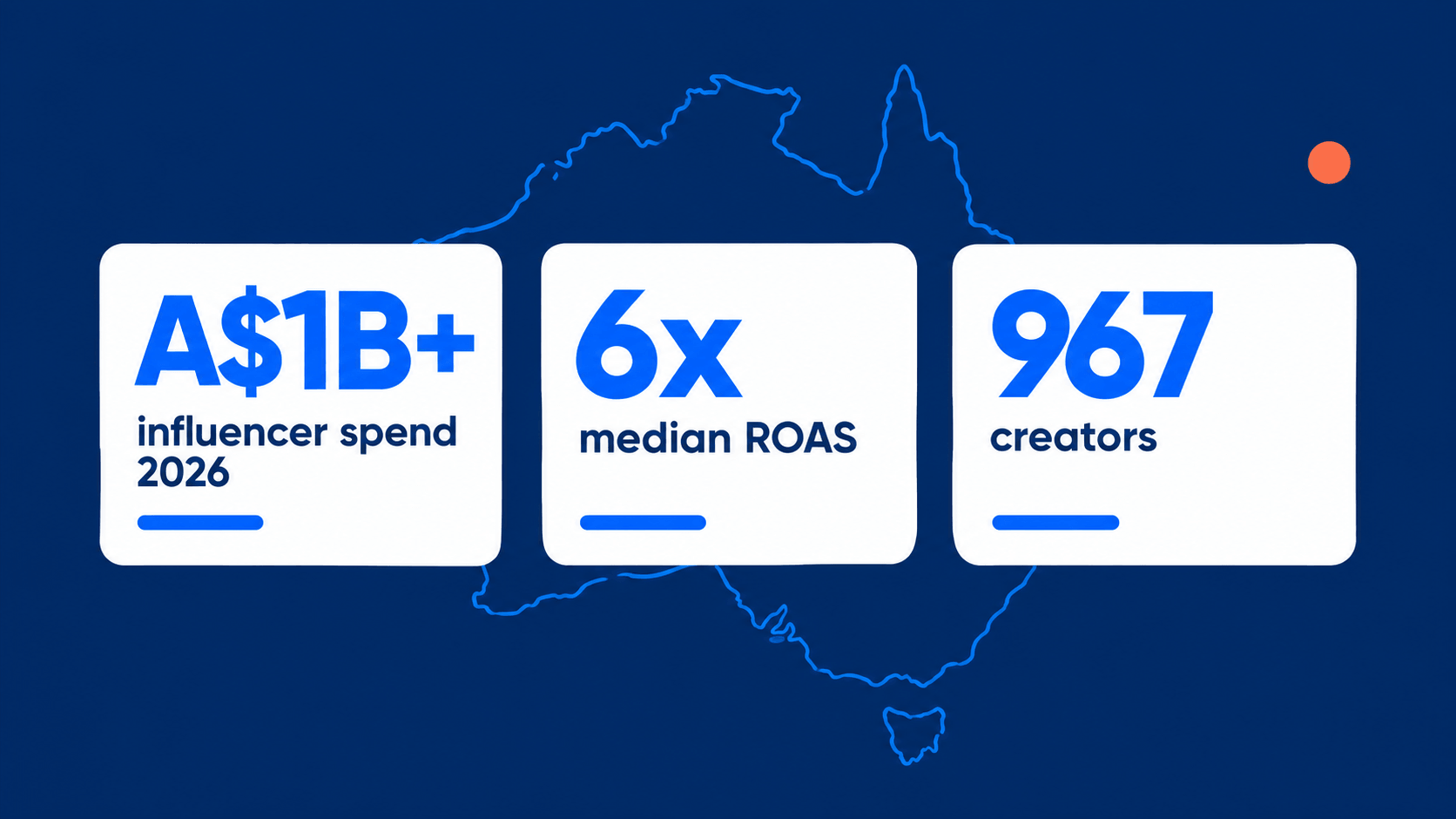
- Sole Sox ran its own campaigns with 127 creators and tracked about $10,000 in sales at 6.5x return on ad spend (ROAS) (Referwo case study).
What is the difference between managed and self-serve influencer marketing?
Self-serve and managed influencer marketing differ in one main way: who runs the campaign. With self-serve, your team uses the platform’s tools to brief, approve, gift and track. With a managed service, an account manager does that work and you review the results. Sales tracking works the same way on both, and Premium adds a monthly report.
Self-serve influencer marketing: your own team runs campaigns on a platform. The software automates the admin, such as discount codes, gifting and payouts, and your team makes the decisions.
Managed influencer marketing service: a specialist runs your campaigns for you, from the brief to content delivery. You set the goals and review the results.
Here is how the work splits on Referwo’s plans (see how Referwo works for e-commerce brands for the full feature list).
| Campaign task | Self-serve (Basic or Standard) | Managed (Premium) |
|---|---|---|
| Write and publish the campaign brief | You | Account manager |
| Review creator applications | You | Account manager filters them |
| Find more creators if too few apply | You | Account manager scouts for more |
| Send free product | Automated (creators self-checkout with a single-use code) | Account manager makes sure every creator receives it |
| Message creators | You | Account manager |
| Check content against the brief and ask for revisions | You | Account manager |
| Track sales by creator | Automated | Automated |
| Monthly reporting | You read the dashboard | Monthly report from the account manager |
On every plan, the platform handles the mechanical jobs. The hands-on work, like briefing, choosing creators, chasing replies and checking posts, is the part you either do yourself or hand over.

What does running influencer campaigns yourself actually involve?
Running influencer campaigns yourself means owning the people side of every campaign. A self-serve platform automates codes, gifting and tracking, but someone on your team still writes briefs, approves creators, answers messages and checks that content matches the brief.
Most brands already do this themselves. According to the Influencer Marketing Hub Benchmark Report 2026, 66.3% of brands surveyed run their influencer programs entirely in-house.
For Australian brands, in-house usually means a small team. 97% of actively trading Australian businesses have fewer than 20 employees (ASBFEO, using ABS data, June 2026). So campaign work tends to land on a founder or a marketer who already has another job.
A typical self-serve campaign on Referwo looks like this:
- Write the brief: the product, the content you want (Reels, photos or both), key messages and disclosure rules.
- Publish the campaign. Creators apply to you, often on the same day.
- Review applicants using engagement rate, audience age, gender and country, plus past brand reviews.
- Approve the creators who fit. They order their free product from your store with a single-use code.
- Answer creator questions in the platform chat.
- Check each post against the brief and ask for changes where needed.
- Read the dashboard to see which creators drove sales through their unique codes.
Steps 1, 3, 5 and 6 are where the hours go. The rest runs in the background.
Self-serve is cheaper, and you choose every creator yourself. The catch is time. If campaign work keeps sliding to the bottom of your list, creators sit waiting and posts arrive late, and the campaign loses steam.
What does a managed influencer marketing service take off your plate?
A managed influencer marketing service takes over the people work: briefing, creator selection, communication and content checks. On Referwo Premium, a dedicated account manager sets up the account, publishes the brief, filters applicants, manages every creator conversation and asks for revisions when content misses the brief. You keep full sales tracking and get a monthly report.
Referwo’s Premium plan costs US$399 a month with no lock-in contract and unlimited campaigns, applications and approvals. It starts with a demo call. Beyond the core campaign work, the account manager can handle extra jobs, such as asking creators to leave a review on your website or saving their content to your Google Drive folder.
What you still do on a managed plan:
- Set the goal for each campaign (sales, content volume or awareness).
- Review the results in the dashboard and the monthly report.
- Decide how to reuse the content you receive, within the usage rights you requested at campaign setup.
What a managed plan does not cover: Premium is influencer marketing only. It does not run your own social media accounts.
Other brands split the work the same way. Influencer Marketing Hub found brands most often outsource creator discovery and vetting (19.44%) and content production (15.28%), while only 6.9% outsource reporting and analytics. In other words, brands hand over the time-heavy people work but want to see the numbers themselves. On Referwo Premium, you still have the same sales dashboard as a self-serve brand.

How do you work out which one fits? The hours test
The hours test compares the cost of your own time with the price of a managed plan. Estimate how many hours a week campaign work would take, multiply by what an hour of your time is worth, and compare that monthly figure with the gap between a self-serve plan and a managed one. If your time costs more, managed usually wins.
Run it in four steps:
- Estimate the weekly hours your team would spend on briefs, approvals, messages and content checks.
- Put a dollar value on one hour of that person’s time.
- Multiply: weekly hours × hourly value × 52 ÷ 12 gives a monthly cost.
- Compare that cost with the US$300 a month gap between Standard (US$99) and Premium (US$399).
Worked example (assumed figures, not a benchmark): a founder expects campaign work to take 4 hours a week and values their time at US$50 an hour. On a managed plan they would still spend about 1 hour a week setting goals and reviewing results, so the plan takes 3 hours a week off their plate. That is 3 × 50 × 52 ÷ 12, or about US$650 a month of founder time. Premium costs US$300 a month more than Standard, so on these numbers the managed plan is worth roughly US$350 a month in founder time. That is an estimate of time value, not cash in the bank.
The answer changes when the hours are already paid for. Say a marketing coordinator on salary has 4 spare hours a week with nothing else planned. On paper those hours are worth about US$520 a month at US$30 an hour, but using them costs the business very little extra cash. In that case self-serve makes sense, especially while you are learning what works. The sum only favours managed when those hours would otherwise go to work that earns more.
The hours test leaves out one thing: skill. A person doing their first campaign will take longer and may miss problems an experienced account manager spots early. Add a buffer to your estimate if campaigns are new to you.
Not sure which plan fits? See Referwo’s plans and book a 15-minute demo and walk through your products, goals and team size with us. If self-serve suits you better, we’ll say so.

When should you switch from self-serve to managed?
Switch from self-serve to managed when campaign work starts slipping, not when campaigns stop working. Common signs include approvals sitting for days, creators waiting on replies, content arriving that misses the brief, and campaigns paused because the person running them is busy elsewhere. If results are good but the workload is the problem, a managed plan can take that workload off your team.
Watch for these signs:
- Creators apply the same day, but their applications sit unreviewed for a week.
- Creators chase you for shipping updates or brief details.
- You needed Reels for Meta ads and received photos instead.
- You run one campaign, then nothing for two months.
Some signs point to a bigger self-serve plan, not a managed one. If you are hitting the 15 approvals a month on Basic and still have time to manage more creators, Standard lifts that to 50 approvals and 9 active campaigns. Upgrade for capacity when you have the hours. Move to managed when you don’t.
Going the other way also works. Some brands start on Premium to learn what a good campaign looks like, then move to self-serve once they have a repeatable brief. Plans have no lock-in contract, and you can change plans at any time.
For the wider decision between a platform and a full agency, see our guide to choosing an influencer marketing platform or an agency in Australia. For a breakdown of everything a full-service setup should include, read what end-to-end influencer marketing management looks like.
Who is responsible for compliance under each model?
Your brand stays responsible for influencer posts under both models. The Australian Competition and Consumer Commission (ACCC) says businesses must not mislead consumers in social media posts they pay for or reward with incentives. A managed service can check disclosures for you, but handing over the work does not hand over the legal responsibility.
Plenty of posts get this wrong. In its December 2023 sweep, the ACCC found 81% of the 118 influencers it reviewed had posts raising concerns, most often for not disclosing brand relationships.
The ACCC’s guidance on social media promotions for businesses applies whether you run the campaign or someone runs it for you. Practical steps under either model:
- Put clear disclosure rules in every brief, for example “#ad” or the platform’s paid partnership label.
- Treat free product as payment. Gifted posts still need disclosure.
- Check every post for the label before you reuse it in ads.
Our guide to influencer gifting rules in Australia covers what the ACCC and the AANA expect, with a checklist you can paste into your brief.
Which model builds a stronger creator community?
Both models can build a strong creator community, because the community comes from repeat campaigns, not from who runs them. Every campaign adds creators who know your product. The ones who love it come back, post again and bring their followers with them. What matters is running campaigns consistently and tracking which creators drive sales.
Each model helps in a different way. A self-serve brand with time to spare can get to know creators directly. A managed brand gets consistency, because campaigns keep running even in busy months.
The case studies show what volume looks like. Sole Sox ran its campaigns itself with 127 creators, who produced 186 pieces of content and about $10,000 in tracked sales at 6.5x ROAS and 350% return on investment (ROI). Cherub Baby worked with 119 creators who produced 180+ posts, stories and Reels, with $34,855 in tracked sales at 11.6x ROAS. These are past results, not a promise of what any brand will get.
Tracking tells you who in that community is selling. Influencer Marketing Hub found promo and discount codes are the most used measurement tool, chosen by 45.9% of respondents in 2026. On Referwo, every creator gets a unique code on every plan, so you can see which creators drive sales and invite them back first.
Frequently asked questions
What is a managed influencer marketing service?
A managed influencer marketing service is when a specialist runs your influencer campaigns for you. On Referwo Premium, an account manager writes and publishes the brief, filters creator applications, manages creator messages, makes sure free product arrives and checks content against the brief. You set the goals and review the results and monthly report.
How much does managed influencer marketing cost on Referwo?
Referwo’s managed Premium plan costs US$399 a month, with unlimited campaigns, applications and approvals and no lock-in contract. It starts with a demo call. Self-serve plans cost US$69 a month (Basic) or US$99 a month (Standard), and both come with a 14-day free trial. Brands pay no commission to Referwo on influencer-driven sales, but you still pay for the product you gift and any commissions or paid fees you set for creators.
Is self-serve influencer marketing hard to run?
Self-serve influencer marketing is manageable for most small teams because the platform automates codes, gifting and sales tracking. The work that remains is writing briefs, approving creators, answering messages and checking content. On Referwo, most brands launch their first campaign within 24 to 48 hours, and creators often apply the same day.
Can I switch between self-serve and managed plans?
Yes. Referwo plans have no lock-in contract, and you can upgrade or downgrade at any time, with the change applying from the next billing cycle. Some brands start on self-serve and move to Premium when campaign work outgrows their team. Others start managed, learn what works, then run campaigns themselves.
Do I still need to check influencer posts for ACCC compliance on a managed plan?
Yes. Your brand stays responsible for posts it pays for or rewards, even when someone else runs the campaign. A managed account manager can check that disclosures are in place, but you should still make sure your brief sets clear disclosure rules and that reused content carries the right label.
The bottom line
The best model is the one that keeps your campaigns running every month, because consistency is what turns one-off posts into a creator community. If you have the hours, self-serve gives you control at the lowest cost. If you don’t, a managed plan keeps campaigns moving, with sales tracked through creator codes, while you run the rest of the business. If you want campaigns run for you without losing sight of the numbers, book a demo of Referwo’s managed Premium plan.
Sources
- Influencer Marketing Hub, Influencer Marketing Benchmark Report 2026 (2026)
- ACCC, Scrutiny of influencers and businesses for misleading advertising and online reviews continues (December 2023)
- ACCC, Social media promotions (business guidance) (current)
- Australian Small Business and Family Enterprise Ombudsman, Contribution to Australian business numbers (ABS data, June 2026)