


By Ewen Ling, Co-Founder, Referwo | Ecommerce Growth Strategist
Last updated: August 2026
Most Australian brands looking at TRIBE alternatives are not unhappy with creator content. They are unhappy with the maths. TRIBE takes a 30% margin on your campaign spend in Australia, and the platform works best once budgets are large enough to justify a managed marketplace.
If you run a smaller ecommerce or Shopify store, that model can price you out before you have proven the channel.
The best TRIBE alternative depends on one decision: do you want a self-serve tool you control, or a managed service that runs campaigns for you. For Australian direct-to-consumer (DTC) brands that want to start small and track every sale, Referwo is the closest AU-native, self-serve replacement. Modash suits discovery-led teams, Upfluence suits modular software buyers, Aspire and GRIN suit funded enterprise programs, #paid suits brand-safe managed matching, and Community suits brands that want to own their audience by text. This guide compares seven genuine alternatives on the three things that decide fit: pricing and minimum spend, campaign control, and Australian market support.
Quick answer
Brands switch from TRIBE mainly to cut minimum spend or gain direct control over creator selection. For Australian DTC and Shopify brands, Referwo is a self-serve, AU-focused alternative. Aspire, Modash, Upfluence, GRIN, #paid and Community suit different budgets and team sizes. Compare pricing, campaign control and local support before you move.
Why Australian brands start looking for TRIBE alternatives
Australian brands leave TRIBE for three reasons: the 30% platform margin on spend, the minimum campaign budgets that suit funded teams more than small stores, and a workflow built around managed campaigns rather than hands-on control. When a brand wants to start small and track sales directly, those three factors push it to look elsewhere.
TRIBE is a well-known creator and user-generated content (UGC) marketplace. User-generated content (UGC) means content made by creators that a brand can reuse in ads and on product pages. TRIBE lets brands post a brief, receive creator submissions, and buy the content rights.
That model is strong for structured campaigns. The cost structure is where smaller Australian brands hesitate.
TRIBE charges brands a percentage margin on campaign spend. TRIBE’s own fee documentation describes a 30% margin in Australia: on a $10,000 budget, creators receive $7,000 and TRIBE keeps $3,000. Reported minimum campaign budgets and per-campaign activation fees add a further floor that third-party reviews place in the low thousands of dollars, though TRIBE does not publish those figures on its own site.
For a founder testing whether creators can drive real sales, paying a 30% margin plus a minimum budget before seeing a single conversion is a hard first cheque to sign.
The second reason is control. TRIBE’s paid campaign flow is built around briefs and creator submissions. Brands that want to hand-pick specific micro creators, negotiate directly, and pay on performance often want a different structure than a submission-led marketplace provides.
The third reason is local fit. Global platforms treat Australia as one more market. Australian brands increasingly want local creator depth, Australian compliance support, and pricing in a range that suits a smaller store.
None of this makes TRIBE a bad platform. TRIBE genuinely suits campaign-led teams that run larger, structured briefs and value a managed marketplace. The question is not whether TRIBE works. The question is whether TRIBE fits the stage and budget your brand is at today.
In my 16 years running ecommerce, the pattern is consistent: the tool that wins is the one that lets you prove the channel cheaply, then scale what works.
What to compare before you switch from TRIBE
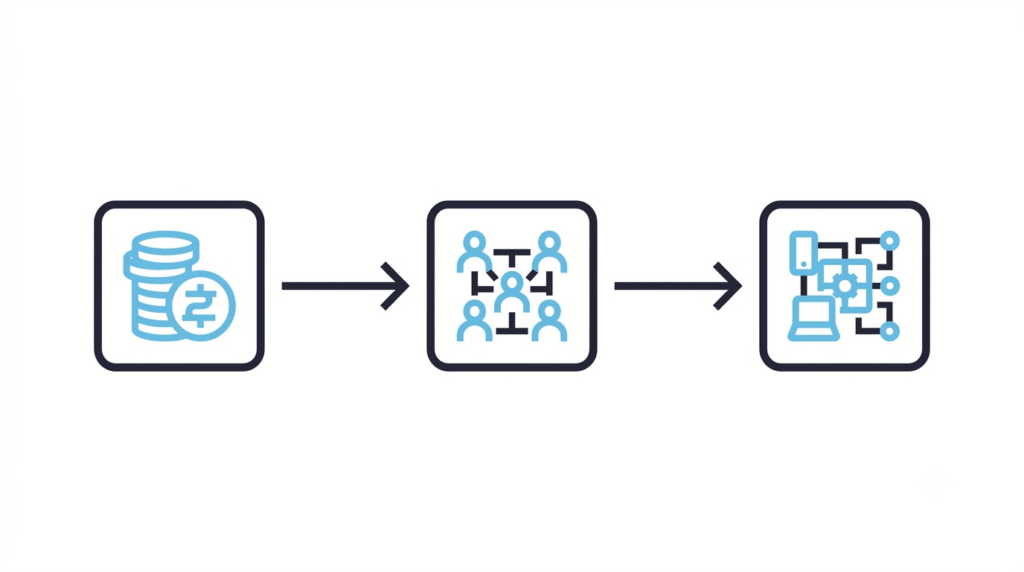
Compare TRIBE alternatives on three factors, in order: total cost including any percentage margin or minimum spend, how much control you keep over creator selection and payment terms, and whether the platform supports the Australian market. Feature lists matter less than these three, because these three decide whether a platform fits your budget and your team.
Pricing and minimum spend
The real cost of an influencer platform is rarely the sticker price. Watch for three cost layers before you switch:
- The subscription or licence fee, billed monthly or annually.
- Any percentage margin the platform takes on top of what you pay creators.
- Any minimum campaign budget or activation fee required before you can run a campaign.
A platform with a low monthly fee but a 30% spend margin can cost more than a higher monthly fee with no margin. Work a simple example. On $10,000 of creator spend, a 30% margin adds $3,000. A flat $199 per month tool with no margin costs $2,388 across a full year on the same creator budget. Model your expected creator spend, not just the plan price, or you will compare the wrong numbers.
Campaign control
Decide how hands-on you want to be. Self-serve platforms let you choose creators, set terms, and manage campaigns yourself, usually at a lower cost. Managed platforms and marketplaces run more of the process for you, which saves time but costs more and gives you less direct say over creator selection and payment terms. Neither is better in the abstract. The right answer depends on whether your constraint is budget or time.
Control also affects two things brands underestimate. The first is direct negotiation. When you can talk to a creator directly, you can agree rates, usage rights, and deliverables that fit your budget, rather than accepting a fixed marketplace rate. The second is whitelisting, which means running paid ads through a creator’s own account. A self-serve platform where you own the creator relationship makes both easier than a submission-led marketplace does.
Australian market support
An Australian brand benefits from local creator depth and local compliance. Under Australian Consumer Law, brands remain responsible for ensuring sponsored posts are clearly disclosed to consumers. The Australian Competition and Consumer Commission (ACCC) has published guidance on influencer disclosure obligations (ACCC) that applies to brands, not just creators. A platform that supports clear disclosure reduces your compliance risk.
Referwo: the AU-native, self-serve TRIBE alternative
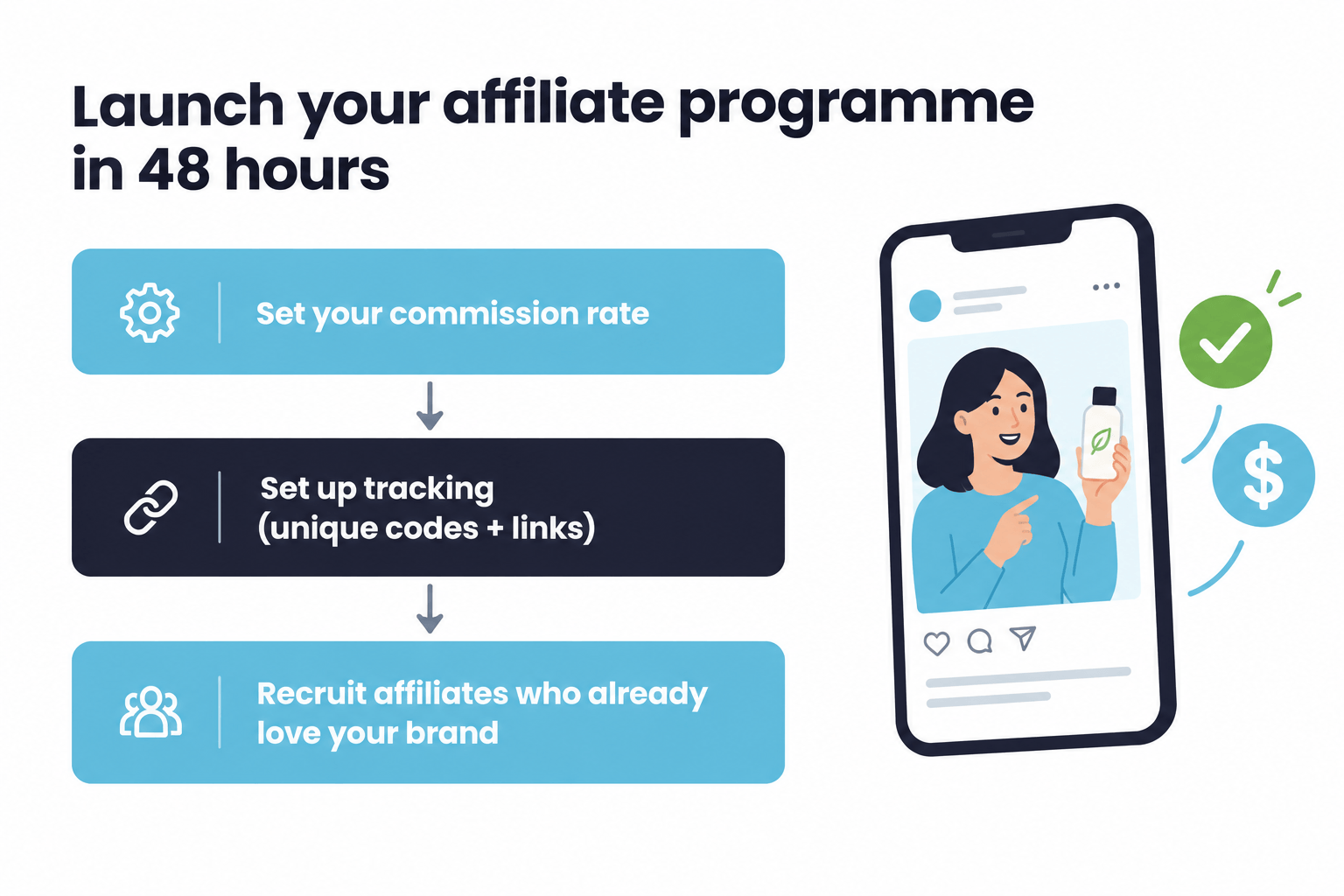
Referwo is an Australian and New Zealand focused performance influencer marketing platform built for ecommerce and DTC brands. Performance influencer marketing means campaigns structured around measurable sales, not reach. Referwo is self-serve, integrates with Shopify and WooCommerce, and lets brands run gifted, paid, and commission-based campaigns while tracking every sale.
Referwo is built for the exact brand that finds TRIBE too heavy: a smaller ecommerce or Shopify store that wants to start small, keep control, and track sales directly.
Referwo plans start from $69 per month on the Shopify App Store, with a 14-day free trial. There is no 30% margin on your creator spend the way a managed marketplace charges. For affiliate campaigns, creators earn a commission on the sales they generate, and Referwo applies a 20% platform fee on those affiliate commissions.
Referwo also offers a managed Premium Plan at $399 per month for brands that want an account manager to run campaigns for them. That gives Australian brands both options inside one platform: self-serve control now, or end-to-end influencer marketing management when they scale.
Where Referwo differs most from TRIBE is measurement. Referwo tracks creator-driven sales through discount codes and affiliate links, so results show up as revenue, not just impressions. For a founder who has already lost money on a campaign that looked busy but sold nothing, that shift from impressions to attributed sales is the whole point.
Referwo also lets brands combine campaign types. You can send product to a creator through a gifted collaboration, which means a product gifting arrangement where creators receive product in exchange for content, and then convert your best performers to a commission-based affiliate deal. That combination builds a library of authentic UGC while tying spend to sales, on both Shopify and WooCommerce stores.
Commission-based model: A creator earns a percentage of the sales they generate through a unique discount code or affiliate link. The brand pays for outcomes, not just posts.

The results I see most often come from small, commission-led campaigns. Thread the Word, a personalised blanket brand, worked with 174 approved Australian creators to generate $59,547 in sales and an 8.5x return on ad spend (ROAS).
Referwo also focuses on micro and nano creators, the tier that tends to deliver the highest engagement for Australian DTC brands. If you want the broader landscape, our guide to the best influencer marketing platform in Australia covers how the local options compare.
Referwo suits: Australian DTC and Shopify brands that want self-serve control, sales tracking, and a low starting cost. The trade-off: Referwo is built for the AU and NZ market and for ecommerce, so global enterprise teams running very large managed budgets may want a heavier platform.
Six more TRIBE alternatives worth comparing
Beyond Referwo, six platforms cover the rest of the TRIBE alternative landscape. Each suits a different budget, team size, and goal. The list below gives one concrete differentiator, plus a pro and a con, for Aspire, Modash, Upfluence, GRIN, #paid, and Community, so you can shortlist the two or three worth a demo.
1. Aspire
Aspire, formerly AspireIQ, is a word-of-mouth commerce platform with a large creator marketplace, used by enterprise brands including HelloFresh and Dyson. Aspire pricing is quote-only with no self-serve signup, and third-party data reports a starting point around $2,000 or more per month on an annual commitment. Pro: a deep marketplace and strong workflow automation for large, ongoing programs. Con: enterprise pricing and annual contracts put Aspire out of reach for most small brands.
2. Modash
Modash is a discovery-first platform with a database of more than 350 million creators and strong Shopify integration. Modash publishes its pricing, which starts at $199 per month on annual billing, with a 14-day free trial. Pro: transparent pricing plus excellent creator discovery and audience data. Con: Modash is built around finding creators, so you still handle outreach and campaign management yourself.
3. Upfluence
Upfluence is a modular platform where brands pay for the modules they use, such as discovery, campaign workflow, and creator payments. Upfluence pricing is quote-based, reported from around $478 per month per module, usually on a 12-month contract, with strong Shopify and WooCommerce integrations. Pro: you pay only for the modules you need, with solid ecommerce sales tracking. Con: costs add up as you stack modules, and a 12-month commitment is required.
4. GRIN
GRIN is a DTC-focused creator management platform built for brands that already have creator relationships and run programs on Shopify. GRIN pricing is custom, with third-party reports placing the starting point around $999 or more per month. Pro: purpose-built for ecommerce, with strong product seeding and sales attribution. Con: GRIN has no creator marketplace, so you bring your own creators, and pricing suits funded teams.
5. #paid
#paid, styled Hashtag Paid, is a managed creator marketplace that matches brands with vetted creators through a Handraise model, where creators opt in to your brief. Third-party listings report pricing from around $449 per month. Pro: brand-safe, curated creator matching with a managed feel. Con: less hands-on control over individual creator selection than a self-serve tool gives you.
6. Community
Community is not a like-for-like creator marketplace. Community is a two-way SMS and WhatsApp marketing platform that gives a brand or creator a direct text channel to its audience. Community pricing is quote-based with no public rate card. Pro: you own the audience relationship directly, rather than renting reach on social feeds. Con: Community does not find or manage creators, so it solves a different problem than TRIBE.
Community earns its place on this list because some brands searching for a TRIBE alternative do not actually want another marketplace. They want to stop renting reach. If that is you, an owned channel like Community answers a different but valid question.
TRIBE alternatives compared side by side
The table below compares seven TRIBE alternatives on pricing model, reported entry cost, campaign control, and best-fit brand. Pricing was verified against each platform’s public information at the time of writing. Verify current figures before you commit, because influencer platform pricing changes often.
| Platform | Pricing model | Reported entry cost | Campaign control | Best for |
|---|---|---|---|---|
| Referwo | Self-serve subscription, managed option | From $69/mo, 14-day trial | Full self-serve | AU DTC and Shopify brands starting small |
| TRIBE | Marketplace plus 30% AU margin | Low-thousands minimum (reported) | Managed campaign flow | Campaign-led teams with larger budgets |
| Aspire | Quote-only, annual | ~$2,000+/mo (reported) | Managed marketplace | Enterprise ambassador programs |
| Modash | Published subscription | From $199/mo, 14-day trial | Self-serve discovery | Discovery-led ecommerce teams |
| Upfluence | Modular, quote-based | ~$478+/mo per module | Self-serve modular | Brands wanting modular software |
| GRIN | Custom quote | ~$999+/mo (reported) | Self-serve, bring creators | Funded DTC brands on Shopify |
| #paid | Managed marketplace | ~$449+/mo (reported) | Managed matching | Brands wanting curated matching |
| Community | Quote-based SMS platform | Custom | Owned audience channel | Brands owning audience by text |
How to choose the right TRIBE alternative
Choose your TRIBE alternative by answering two questions in order. First, do you want self-serve control or a managed service. Second, is your priority starting cheaply, discovery depth, or owning your audience. Those two answers narrow seven platforms down to the one or two worth a trial.
- Set your monthly creator budget and your platform budget separately, so you can see total cost including any margin.
- Decide whether you want to select and manage creators yourself, or hand that to a managed service.
- If you want self-serve control at a low starting cost, trial Referwo or Modash.
- If you have enterprise budget and want a managed program, shortlist Aspire or GRIN.
- If you want modular software you can grow into, look at Upfluence.
- If you want curated, brand-safe matching, look at #paid.
- If your real goal is to own your audience, look at Community.
For most Australian small and mid-size DTC brands, the honest starting point is a self-serve trial. You risk little, you keep control, and you learn whether creators drive sales for your specific product before you commit to a bigger contract. If you want to set realistic budgets first, our breakdown of what influencer marketing actually costs covers the numbers, and our influencer marketing trends guide covers where the Australian market is heading.
Frequently asked questions
Is TRIBE good for small brands?
TRIBE works best for brands with campaign budgets large enough to absorb its 30% Australian margin and reported minimum spend. For a small brand testing the channel, that cost structure is often too heavy. A self-serve platform with a low starting cost usually fits a small brand better.
What is a cheaper alternative to TRIBE?
For Australian small brands, Referwo, from $69 per month, and Modash, from $199 per month on annual billing, are two of the cheaper starting points, and both offer a free trial. Neither charges the 30% spend margin that TRIBE applies in Australia.
Does Referwo have a minimum spend?
Referwo does not require the minimum campaign budgets that managed marketplaces set. Self-serve plans start from $69 per month with a 14-day free trial, and with commission-based campaigns much of your creator cost is tied to sales the creator actually generates.
Can I run influencer campaigns without an agency?
Yes. Self-serve platforms like Referwo let you find creators, run campaigns, and track sales without an agency. You remain responsible for clear advertising disclosure under Australian Consumer Law, so choose a platform that supports compliant, transparent campaigns.
The bottom line
The TRIBE alternative that fits is rarely the one with the most features. It is the one whose cost structure and control model match where your brand is right now. For most Australian DTC brands, that means starting self-serve, proving creators drive sales, then scaling what works. If you want a platform built for Australian brands that ties every creator to a trackable sale, see how Referwo works for brands.
About the author
Ewen Ling is the co-founder of Referwo and an ecommerce entrepreneur with 16 years of hands-on experience. He co-founded Elinz Electronics in 2005 and scaled it into a fully operational business before managing a successful exit for shareholders in 2021. At Referwo, Ewen helps ecommerce brands build influencer marketing programs that generate measurable revenue, not just reach.